No-Dig Gardening Is as Low-Maintenance as It Sounds—And It’s Good for the Earth, Too
ByAlessandro Vitale,Photography byAlessandro Vitale
PublishedApr 28, 2023 6:09 PM EDT
We may earn revenue from the products available on this page and participate in affiliate programs.
Sign Up for Domino’s Newsletter
By signing up, you confirm you are 16+, will receive newsletters and promotional content and agree to ourTerms of Useand acknowledge the data practices in ourPrivacy Policy. You may unsubscribe at any time.
Did you know cardboard could literally kill weeds for you? It’s just one gardening practice that Alessandro Vitale—a Londoner by way of Italy with a lifelong passion for growing things—champions in his new book, Rebel Gardening: A Beginner’s Handbook to Creating an Organic Urban Garden, for both its regenerative benefits and how beginner-friendly it is.
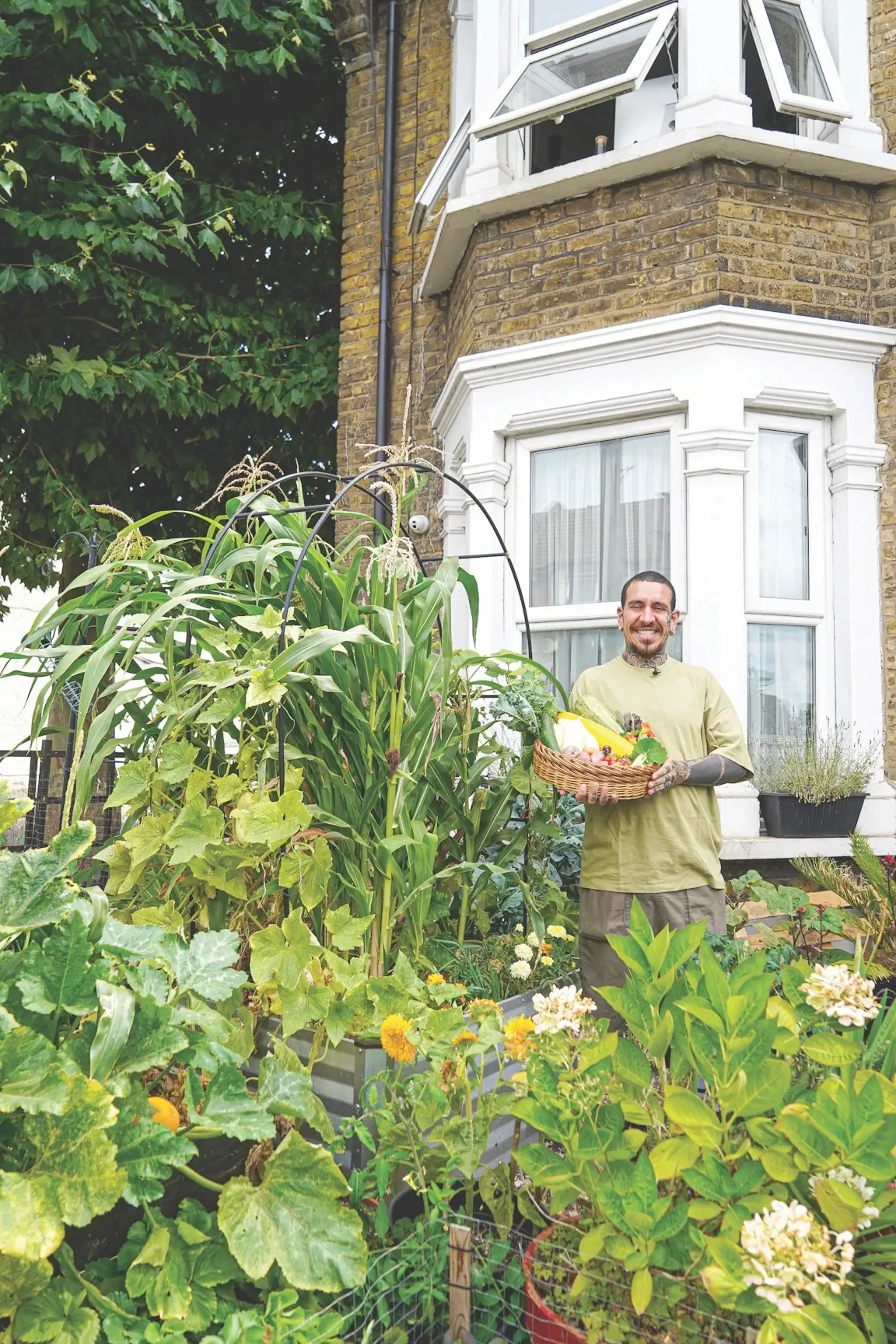
“In modern society, I feel like growing your own food and trying to be self-sustaining is the ultimate act of rebellion!” Vitale writes—hence the book title. He also argues it’s something anyone can take on, anywhere, including a tiny front yard or an apartment balcony. And honestly, Vitale should know: his rental’s 26-by-16-foot garden produces enough fruits and veggies that he doesn’t have to shop for them anymore—no chemical fertilizers, no tilling the soil.
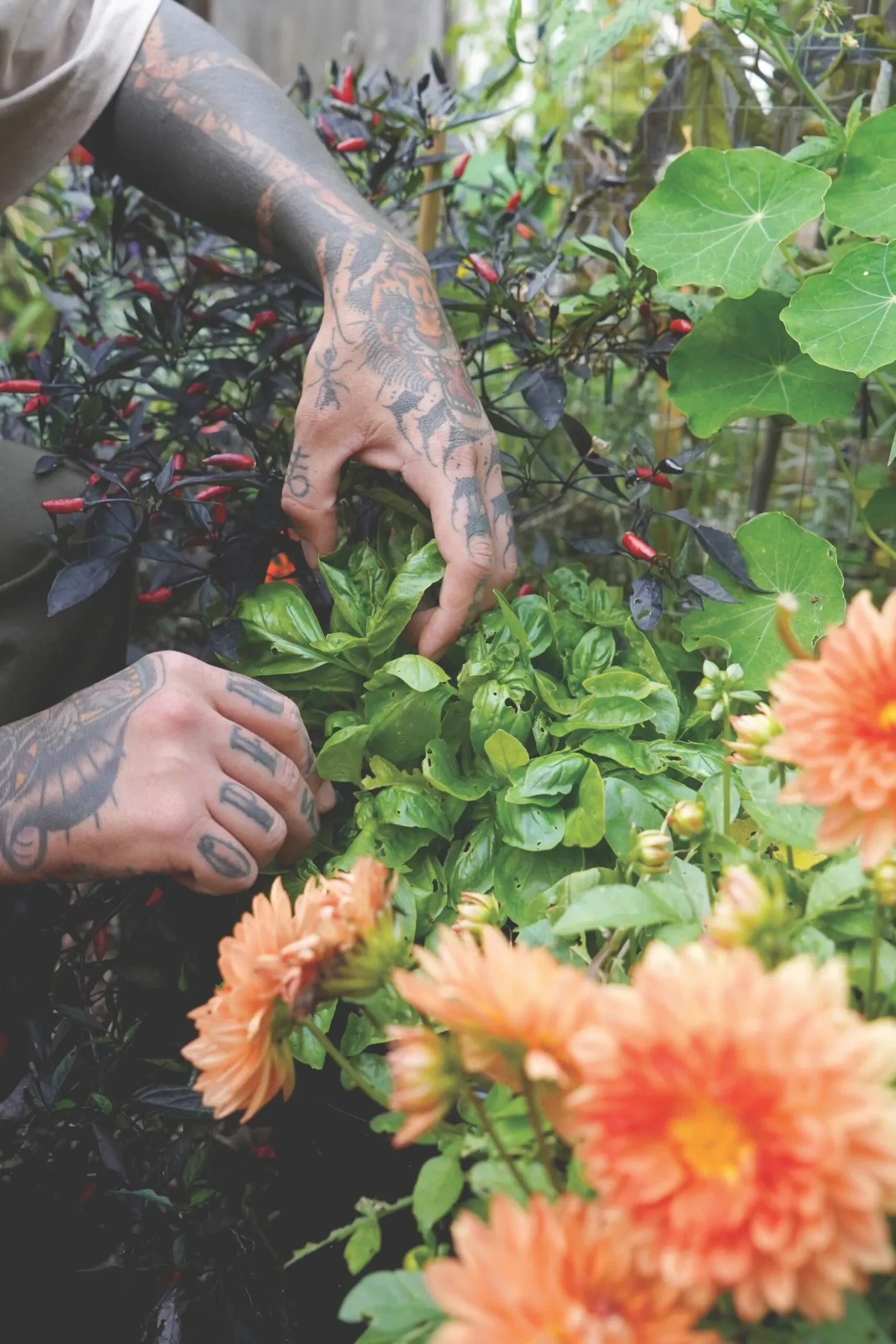
“I soon learned that using chemicals in the garden not only kills a whole range of insects without distinguishing between good and bad but also makes plants weaker,” he notes. In the excerpt below, Vitale breaks down his hands-off approach—and I’m honestly obsessed.
As an organic gardener, you can use all sorts of strategies in the garden to work with nature and help your plants thrive without upsetting the system, while also encouraging natural biodiversity of insects and microbes. Here, I’ll introduce you to the three main areas of gardening expertise that together created Rebel Gardening. I’ve picked parts, techniques, and philosophies from each and combined them in my own garden. Together, they’ve let me create a place where I can connect and feel at one with Pachamama (Mother Earth)—honestly, it’s magic.
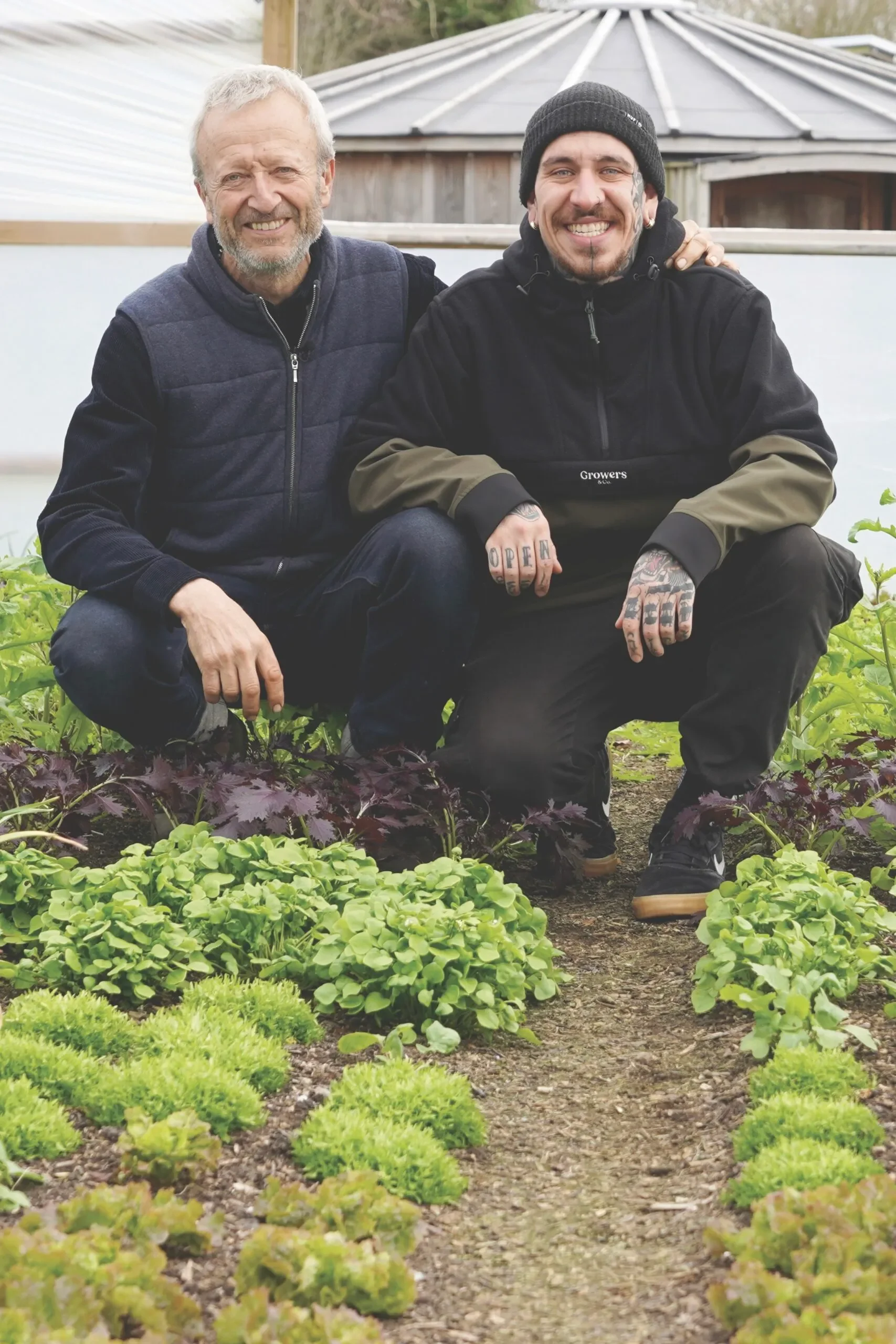
One of my main inspirations and gardening heroes is Charles Dowding, who taught me everything I know about a method called No-Dig Gardening, where the whole vibe is about not disrupting the life within the soil.
As Charles says: “There are billions of microorganisms, known as the soil food web, down there, and they create microscopic pathways to transport water and nutrients. It’s those pathways that increase soil’s ability to drain excess water, while also retaining a proper moisture level.” Basically, this method is all about minimizing disturbance in your garden so the soil web can thrive. Any disturbance forces the soil into a recovery period, which throws off the natural balance in the ecosystem—and that imbalance creates the perfect conditions for weeds to take hold.
I’ve visited Charles’s farm, Homeacres, in Somerset, U.K., so many times, and you can literally see the proof of this method in the pathways between his garden beds. They’re weed-free and drain incredibly well even after heavy rains.
Here, I’ll show you how to turn any disused space into a garden ready to thrive—first by establishing weed-free pathways, then raised beds where you’ll grow your plants.
To apply this method to your growing space, if you’ve got a lawn or weeds all over the ground, just lay a layer of cardboard on top—making sure it doesn’t have any tape on it (if you’ve reused a delivery box, like me, for example!). Ink should be fine, since in most cases it’s vegetable ink on brown cardboard and not shiny like the kind with bits of plastic.
The cardboard acts as light exclusion for the weeds on the ground, which will slowly die off. They’ll decompose in a few months, and the roots of whatever you plant over it will just penetrate the cardboard and feed on the nutrient-rich substrate underneath. When you lay the cardboard, if you use two pieces or more, make sure to overlap them so you don’t leave gaps. If you don’t have any weeds and your soil is basically clean, you don’t need cardboard!
Also, make sure to create an edge around your garden beds so you don’t risk weeds creeping back on top of them. You can top up this edge two to three times, and you won’t need to remove the cardboard—it’ll just decompose in about two to three months.
Now you can place a DIY raised bed right on top of that layer of cardboard.
The compost is organic matter that’s always disintegrating, and micro- and macroorganisms are eating it and excreting more nutrients than they would if you’d disturbed these creatures’ activities and thrown off the natural balance.
Note: If you don’t have less decomposed compost, you can use mature compost instead. All you have to do is add compost to your raised beds once a year, and that’s it—chef’s kiss.
The soil will also boost moisture retention, so you won’t have to water nearly as much as you would in normal garden beds. The beauty of this method? You can start planting straightaway and begin growing your own food as soon as you make your garden bed—honestly, it’s that easy.
FromRebel Gardening: A Beginner’s Handbook to Organic Urban Gardening,© 2023 by Alessandro Vitale. Reproduced by permission of Watkins. All rights reserved.
Learn more about Domino.comEditorial Standards