The Most Eco-Friendly Place to Find Furniture Isn’t a Store
UpdatedOct 13, 2021 7:33 PM EDT
We may earn revenue from the products available on this page and participate in affiliate programs.
Sign Up for Domino’s Newsletter
By signing up, you confirm you are 16+, will receive newsletters and promotional content and agree to ourTerms of Useand acknowledge the data practices in ourPrivacy Policy. You may unsubscribe at any time.
Okay, you guys, can we talk about how a new year is basically the best excuse to actually follow through on those goals we swear we’ll crush (before totally forgetting by February)? But honestly, it’s also the perfect moment to lean into lifestyle shifts that aren’t about a rigid number or a checkbox goal. Which is exactly why right now is THE moment to embrace a few easy, feel-good swaps that help you nail one resolution I’m obsessed with: making sustainability your forever thing.
Let’s be real for a sec: the science is in, and we genuinely need to act on climate change—like, yesterday. A UN report recently dropped the news that we’ve got roughly 12 years to slash carbon emissions before temps hit a point of no return. I know, it sounds intense. But here’s the good news: it’s honestly so doable to take small, actionable steps that shrink your footprint. And for Erin Boyle ofReading My Tea Leaves(Domino’sBest Small Space Blog of 2017)? Being green is, like, surprisingly easy.
Steal her go-to tips for loving up the planet this year, and your space will look calmer, feel cleaner, and give off totally sustainable main character energy.
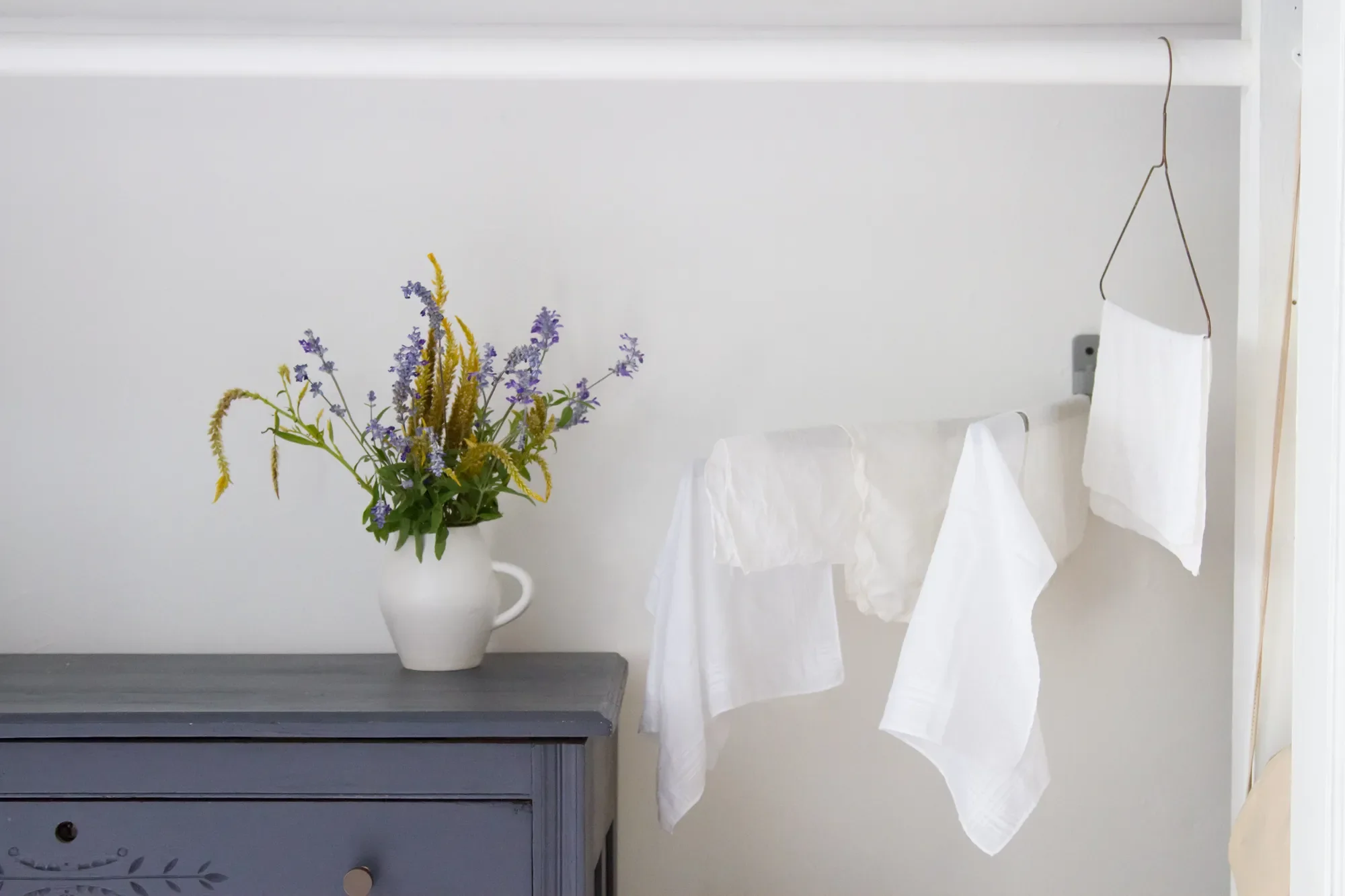
Constantly tossing sad, slimy greens at the end of the week? Same, honestly. The move is to rethink what you actually eat and plan ahead so that bag of leafy goodness makes it onto your plate. “I’m really trying to think about—especially during the week with kids—just making super simple meals so that things get used,” Boyle says. “We have the advantage of living in the city, we live two blocks away from a spot where there’s a farmers market three days a week. So we’re able to do frequent, low-impact shopping. Think about the foods that your family is eating. It doesn’t have to be complicated—my kids’ absolute favorite meal is rice and beans.”
PSA: you can take it a step further by snagging achic compost binthat actually looks gorgeous on your countertop, freezing your veggie scraps for DIY stock, and hitting up a service likeThe Wally Shopto buy waste-free groceries. Chef’s kiss.
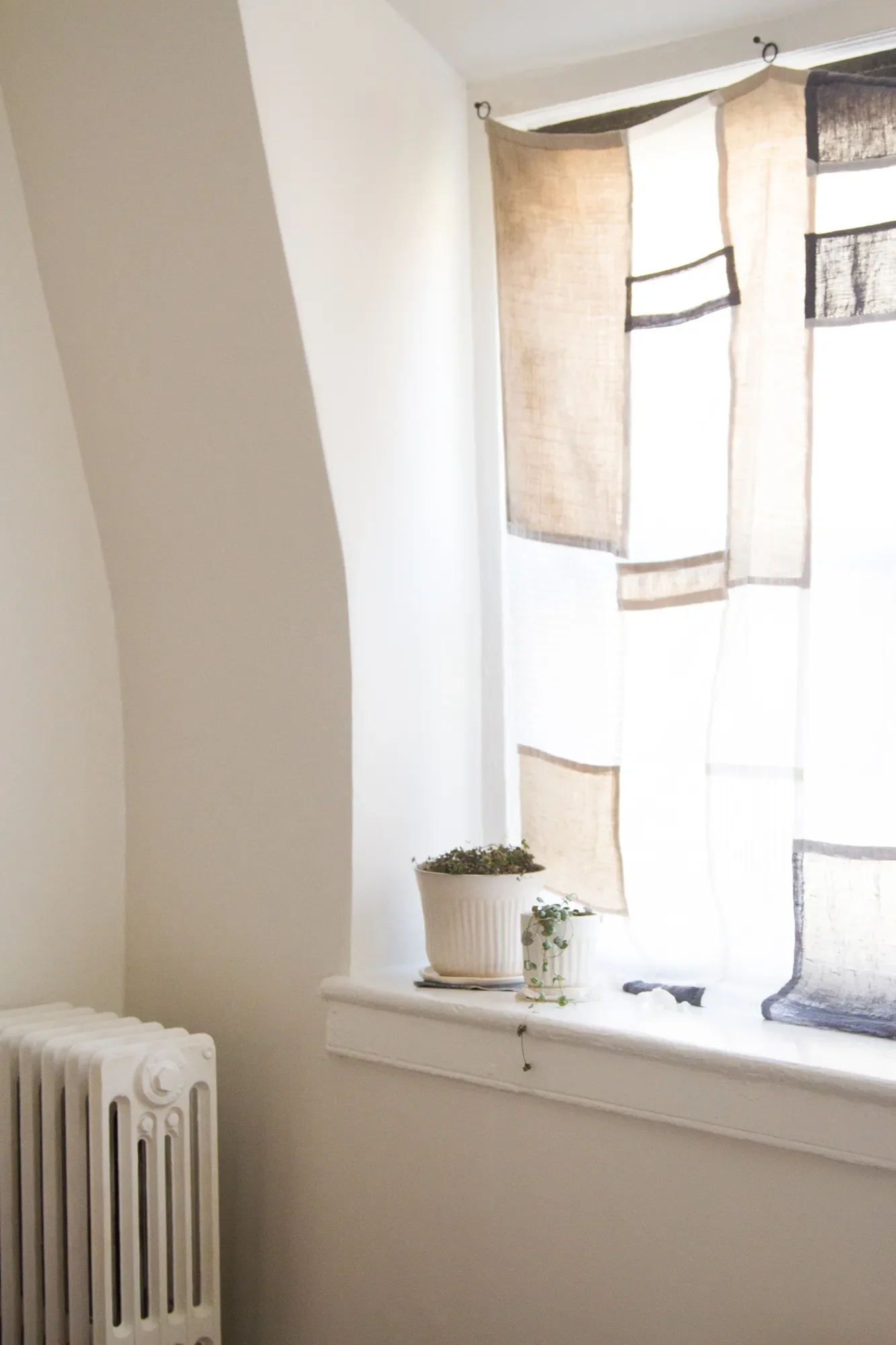
Before you run out and buy the shiny new gadget or accessory, take a sec to look at what you already own. Yellowed tees? Chop ’em into cleaning rags. Empty peanut butter jars? Hello, free Tupperware. And clothes can literally become curtains (yes, really—I’m obsessed).
“I actually just made new curtains from old scrap materials that I have. I did hand stitched curtains with this Korean technique calledpojagi,” Boyle says. “That was such an interesting practice because it’s both purposeful—we needed curtains, especially because the leaves all fell down and now people can see in our windows—but also from a design perspective, I really wanted something specific and I couldn’t find it. I finally found a system that worked for me. Ultimately, that is the most sustainable design.”
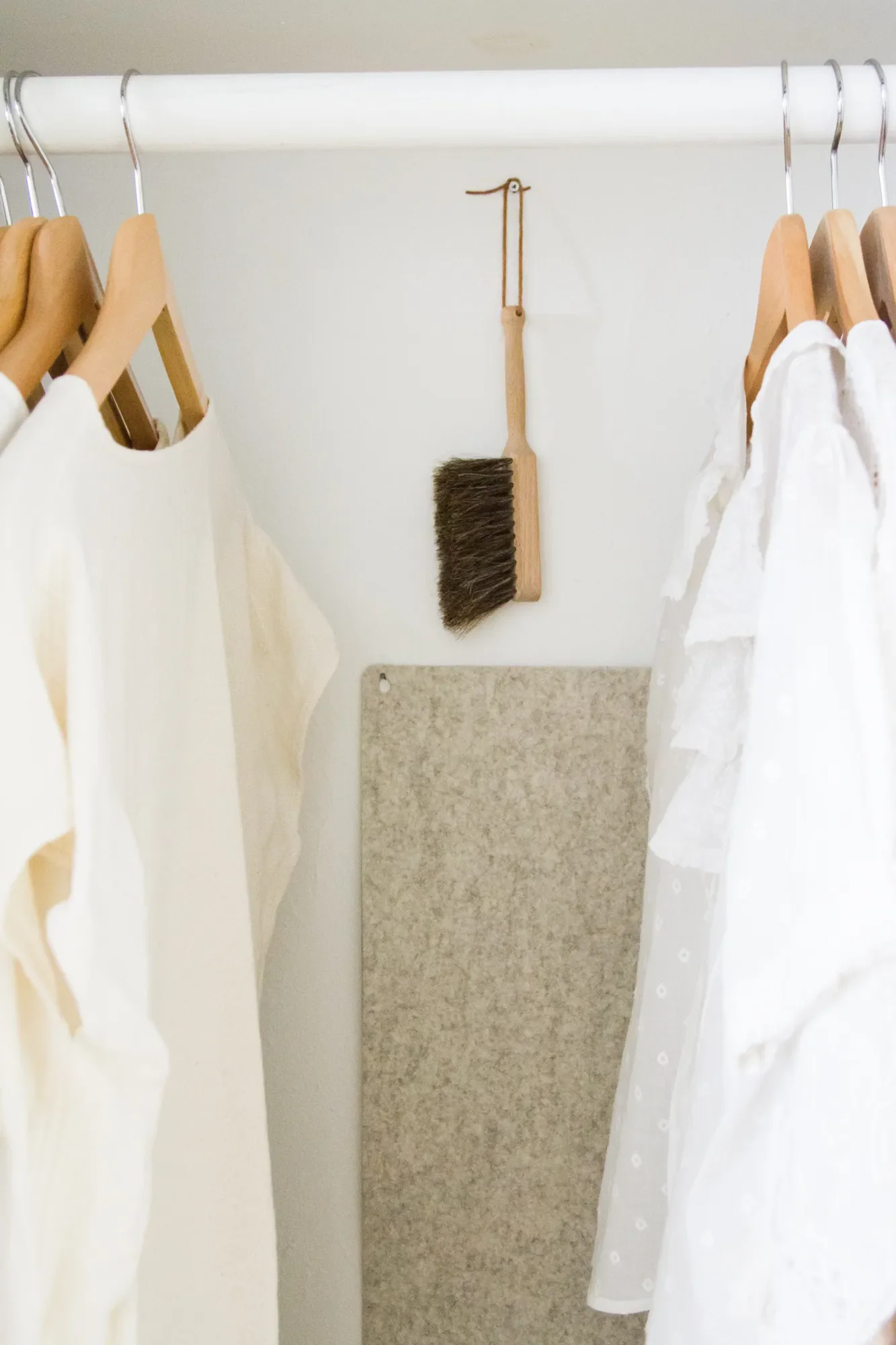
If you can control the temp at home, think about how you’re distributing heat and AC in a way that actually makes sense for your space. “Living in a small space, for one thing, really helps our family focus on consumption and what we’re bringing into it, which is a big part of sustainability,” Boyle says. “There aren’t empty rooms that we’re heating—we have just what we need. In New York City buildings, we have these massive old steam radiators that are so energy inefficient—they pump heat, and we’re all overheating. Feeling like you have the agency to [talk to your super] and be like, ‘Hey, turn down the building thermostat!’ or ‘Are there ways we can be more efficient?’” can really help.” And honestly? Your utilities bill might even drop. Chef’s kiss.
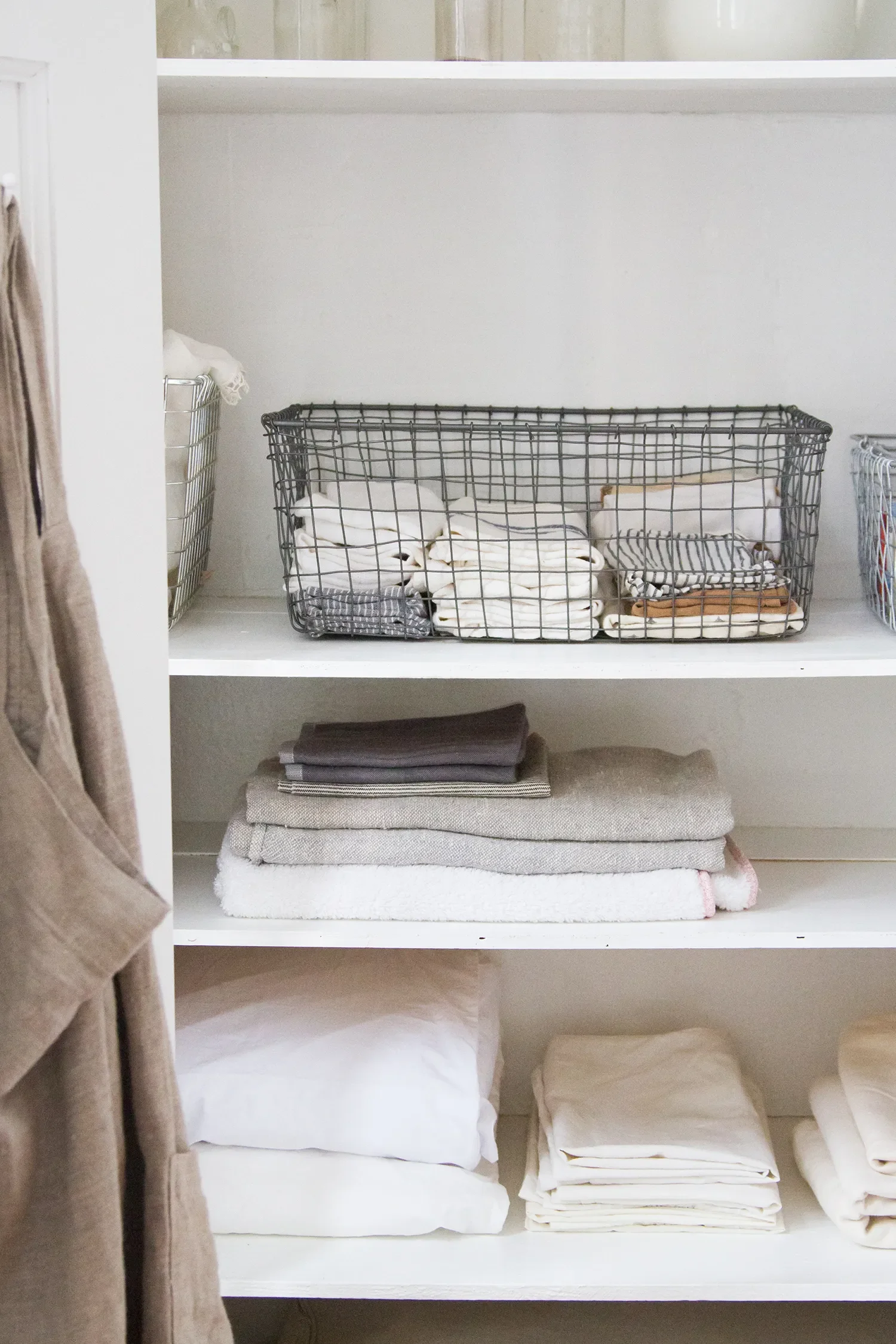
When youmove into a new place, you guys, don’t feel pressured to fill every corner ASAP. “I’m comfortable with the fact that, for me, there is no such thing as an end goal in design,” Boyle says. “For the individual person creating their own space, I think getting rid of the notion that there is going to be an endpoint and instead embracing the process slowly and finding things that you really love that you can afford—and also doing the least damage to the planet—is a really noble thing.”
Look, I get it—a massive Ikea run to check off every item in one go is tempting. But when you take your time to furnish a space, you end up with pieces you genuinely love—and that means you’ll actually keep them for years. “I’m all about going slowly and buying secondhand and making it your own,” Boyle adds. “If you’re buying a table and you end up not loving it, that can be passed on to someone else as something that was solidly made. It doesn’t mean you have to have a totally mismatched house—if you go slow enough and make enough swaps, you’ll to where you want to be.”
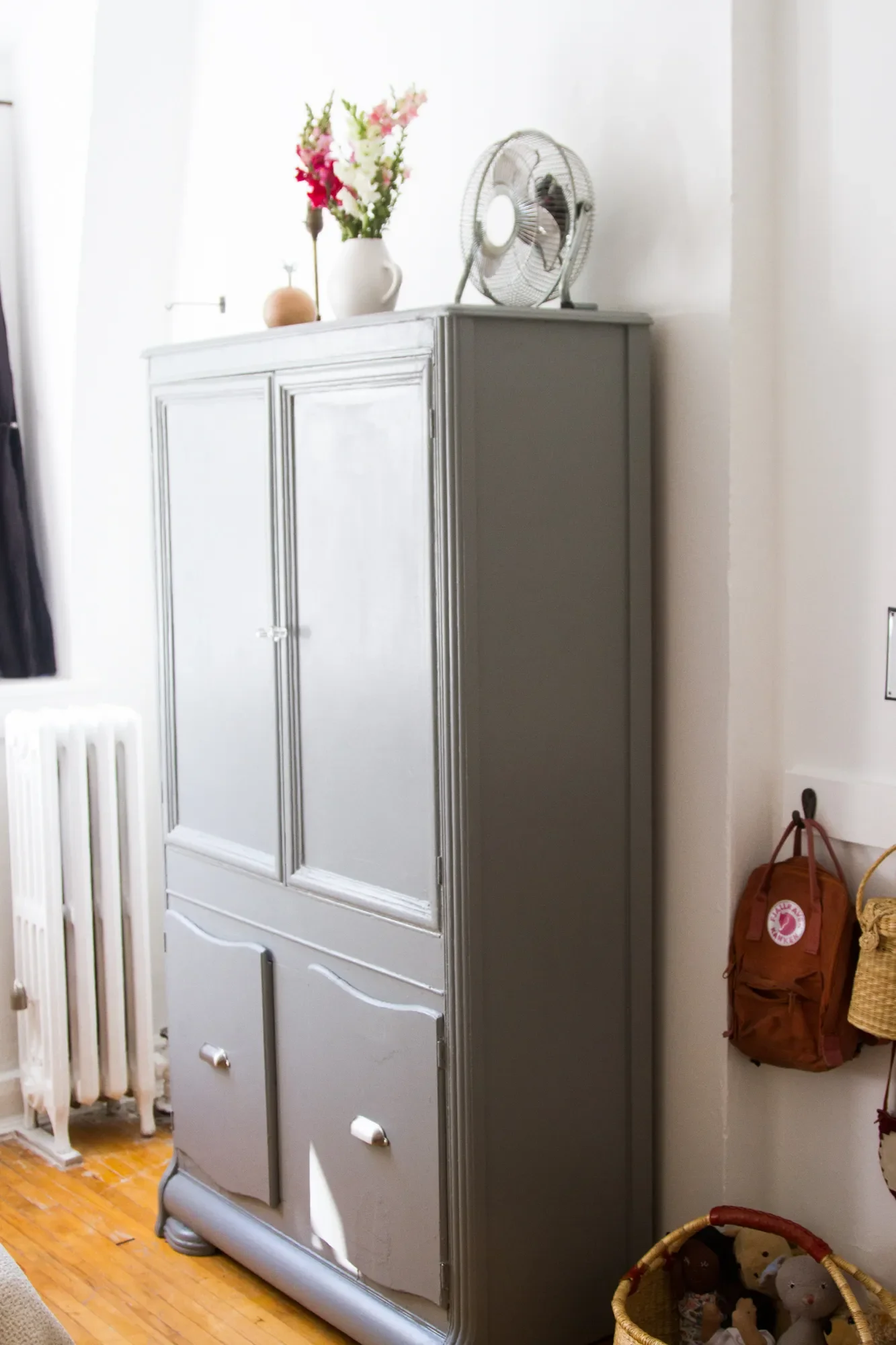
Okay, PSA: there’s a furniture source you’re probably sleeping on, and plot twist—it’s the most affordable of all. “About 95 percent of the things in our house have come to us either through things we have literally found on the street or things that we’ve gotten from sales or Craigslist,” Boyle says. Seriously, scroll Craigslist’s free page to rescue treasures from the dumpster, and you might just score exactly what you’ve been hunting for.
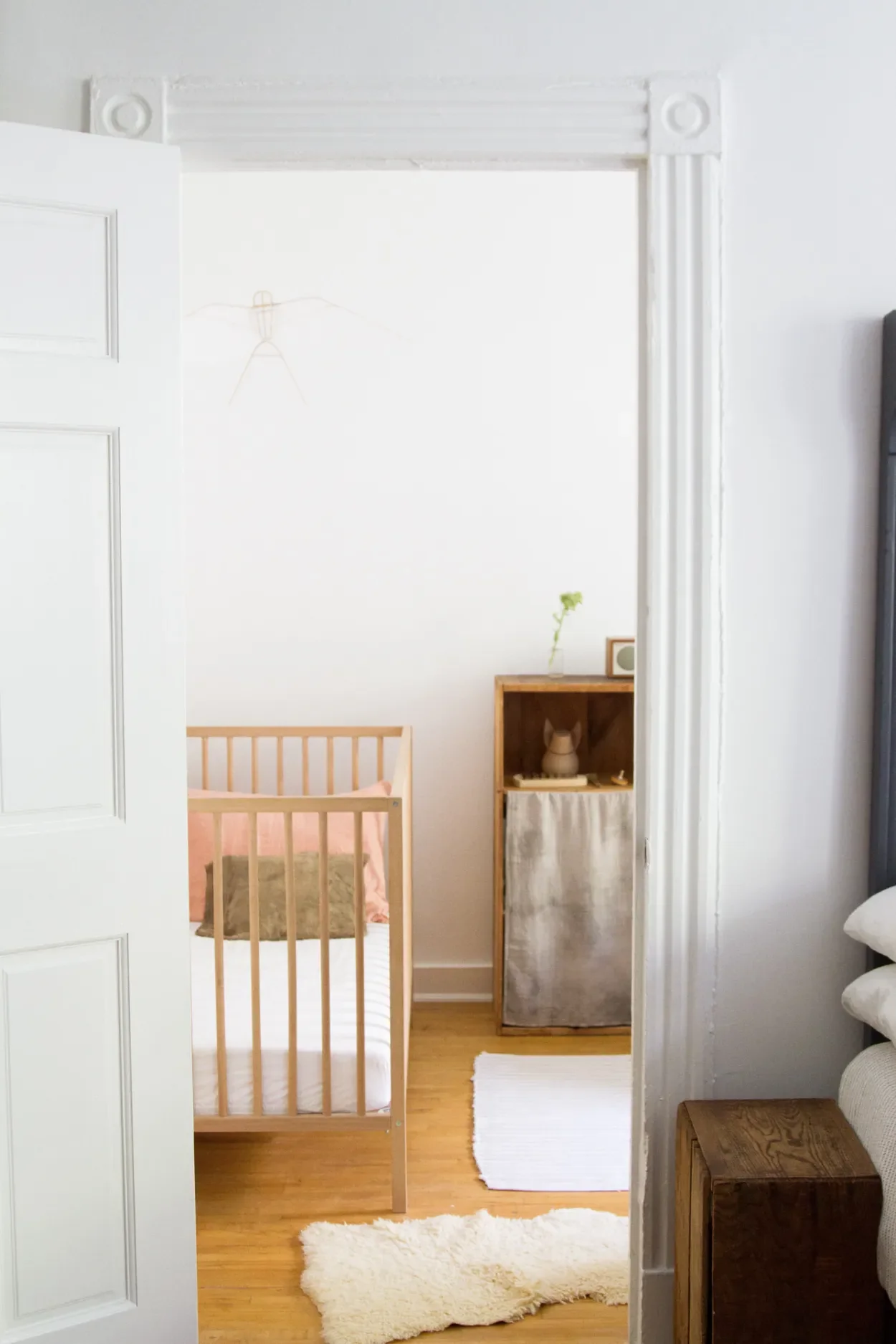
Honestly, not everything you score secondhand will be a perfect fit, but when your base piece costs next to nothing (or is free!), DIY projects become way less risky—and way more fun. “Earlier this spring, I found a dresser on the street—it was probably more like a china cabinet. I put in some new panels and painted it and now it’s my kids’ chifferobe. Doing projects like that is so satisfying,” Boyle adds. “I’m literally sitting at a table right now that we found the day we moved to Brooklyn almost 10 years ago. We literally found it on the street as we moved in. We had put our own table—it was too big to fit into the apartment—on the sidewalk, took a lunch break, and found another smaller one.”
Sometimes the perfect piece finds you exactly when you need it, and other times it takes a hot sec to assemble the room of your dreams. But when you do it in a way that’s gentle on the planet and creates a cozy, sustainable home? That’s the chef’s kiss—everyone wins.
More ways to go green:
Want to Be More Sustainable in 2019? Try This One Simple Swap15 Easy Swaps You Can Make Right Now for an Eco-Friendly KitchenWater Bottles That Do So Much More Than Hold Your Water
Rebecca is most often found digging through troves of vintage treasures, both in-person and online. Ask her to recommend a good book to read or an obscure Instagram account to follow, and you won’t be disappointed.
Learn more about Domino.comEditorial Standards