Floors, Walls, Furniture—Cork Has Come a Long Way From Basic Office Pinboards
PublishedNov 28, 2024 11:18 AM EST
We may earn revenue from the products available on this page and participate in affiliate programs.
Sign Up for Domino’s Newsletter
By signing up, you confirm you are 16+, will receive newsletters and promotional content and agree to ourTerms of Useand acknowledge the data practices in ourPrivacy Policy. You may unsubscribe at any time.
Cork isn’t just for office boards and wine bottles anymore, you guys. When we spotted the natural material making serious headway in interiors in 2022, we chatted with designers who saw real value in it: it’s sustainable (after being stripped from the bark of the cork oak tree, it can regenerate), sound absorbing, insulating, water-resistant, lightweight, and antimicrobial—all perks that make designing a home that will last honestly effortless. Since the material’s popularity has only grown stronger in the past two years, we rounded up all the creative ways we’ve seen cork play out at home.
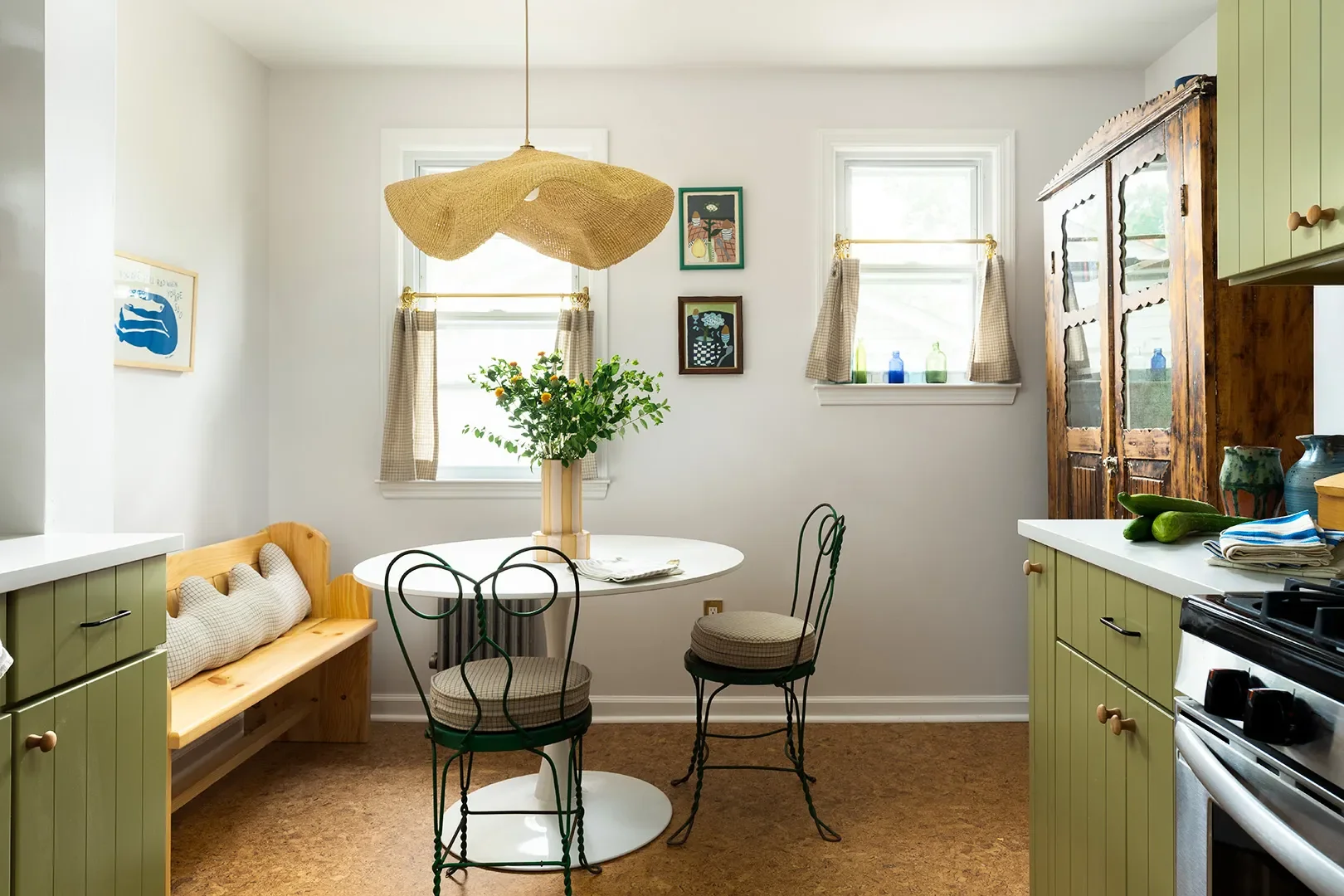
Putting cork on your floors might sound scary at first, but hear me out. The reason the material is so often used as a wine stopper is because it’s actually pretty waterproof, not to mention resistant to cracking. When resealed every few years with a protective coat of polyurethane or wax, cork floors can totally withstand the action that goes on in your house.
The kitchen is the room where we see cork flooring most often, mainly because it “just feels so good on the feet,” says designer Hollie Velten Lattrell, who used it to replace the old cold tiles in this New Jersey home.
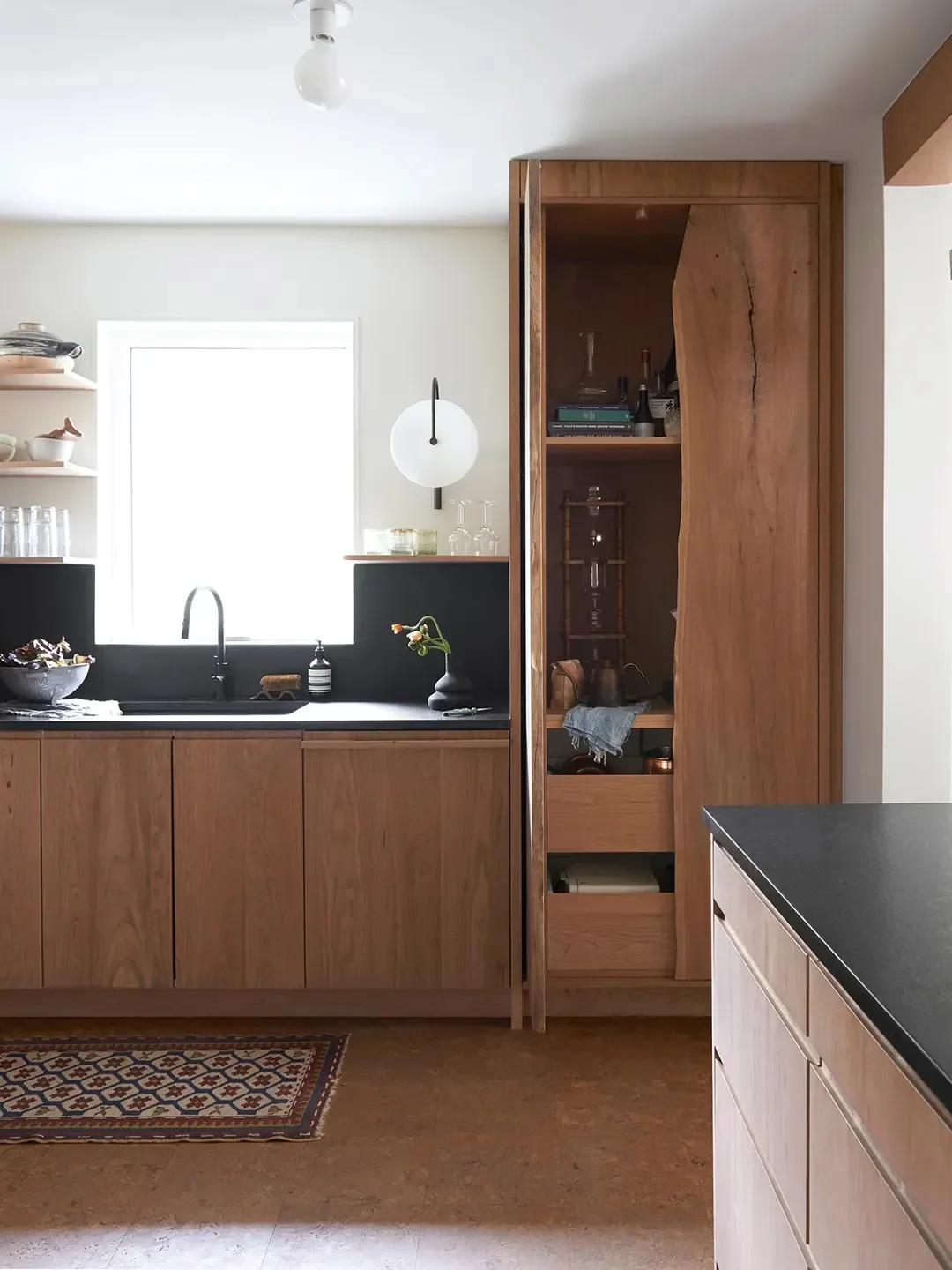
Designers Lexi Ribar and Morgan Stewart of Studio Lithe had a different reason for using cork flooring in this Pittsburgh kitchen. The homeowner is a ceramist with a lot of delicate vessels and platters. If she accidentally knocks something off the counter, there’s a good chance it won’t shatter into a million pieces. Honestly, genius.
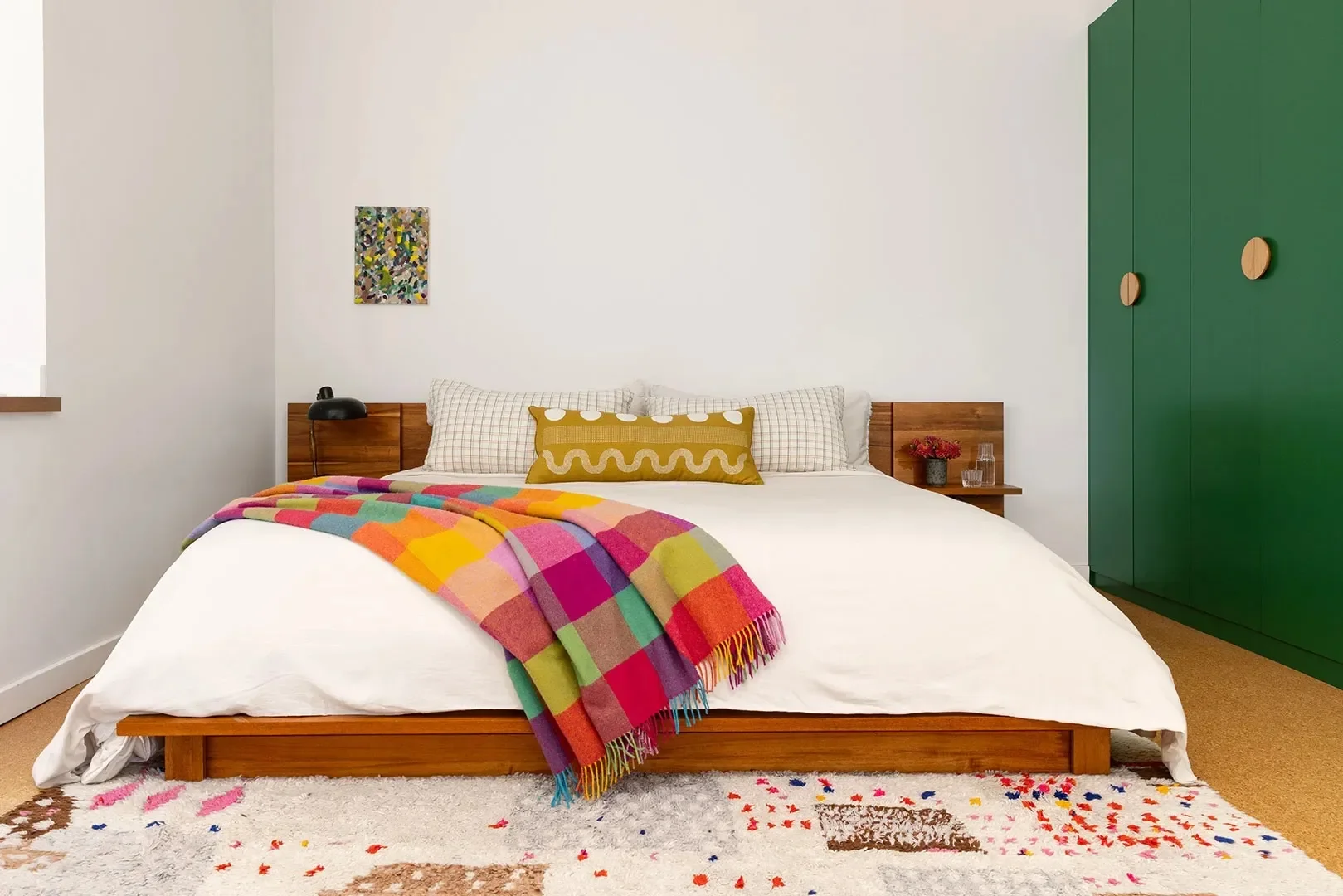
Forget white-noise machines. Cork’s sound-absorbent qualities make it a perfect fit for a bedroom, especially one that’s already as dreamy as Sara Kramer’s. Bonus points for layering a noise-diffusing shag rug.
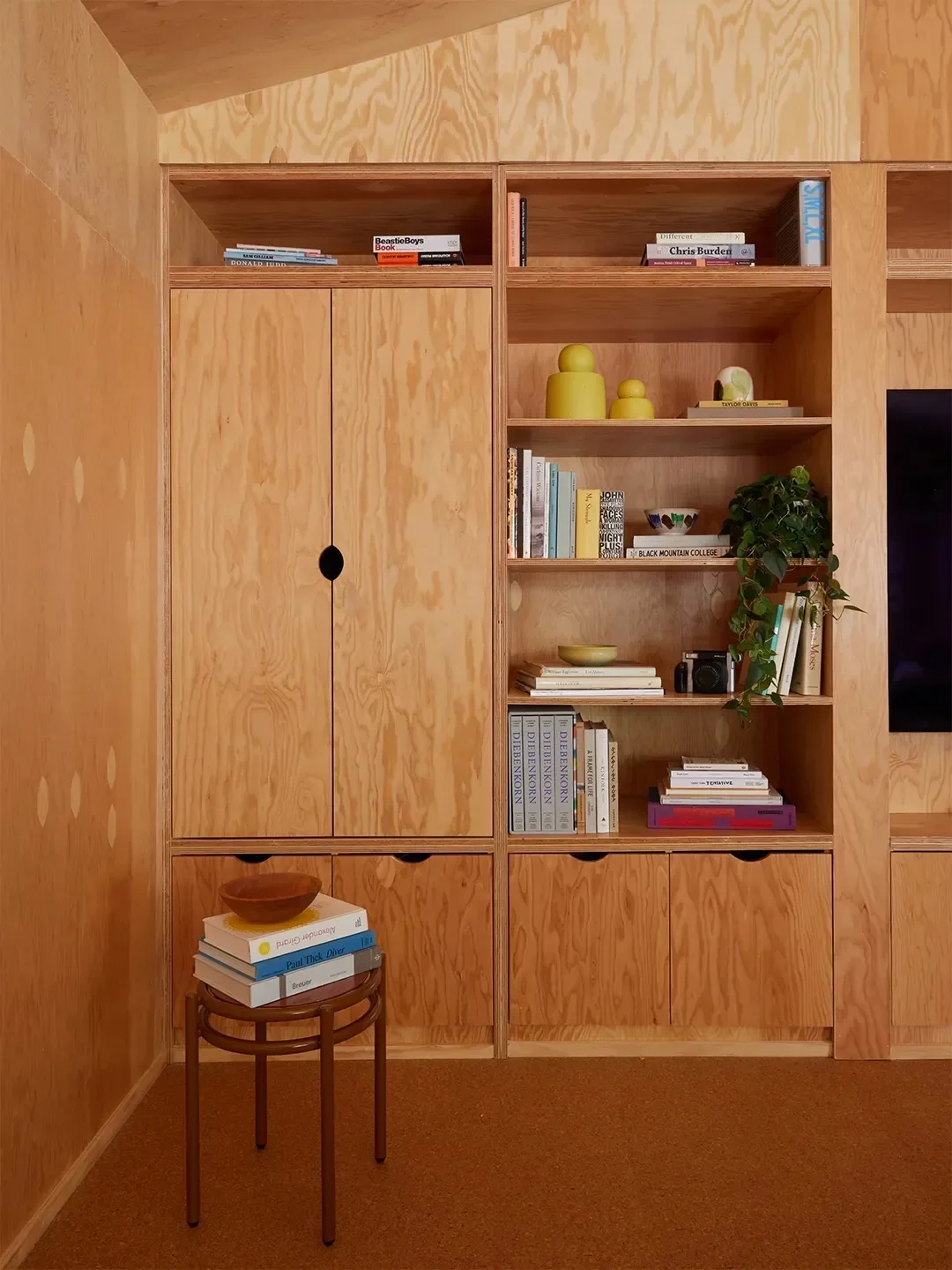
One material that works really well alongside cork? Plywood. See the two equally humble surfaces at play in this garage conversion, where cork lays the foundation on the floor and Douglas fir plywood covers the walls and ceiling. The aesthetic is chef’s kiss.
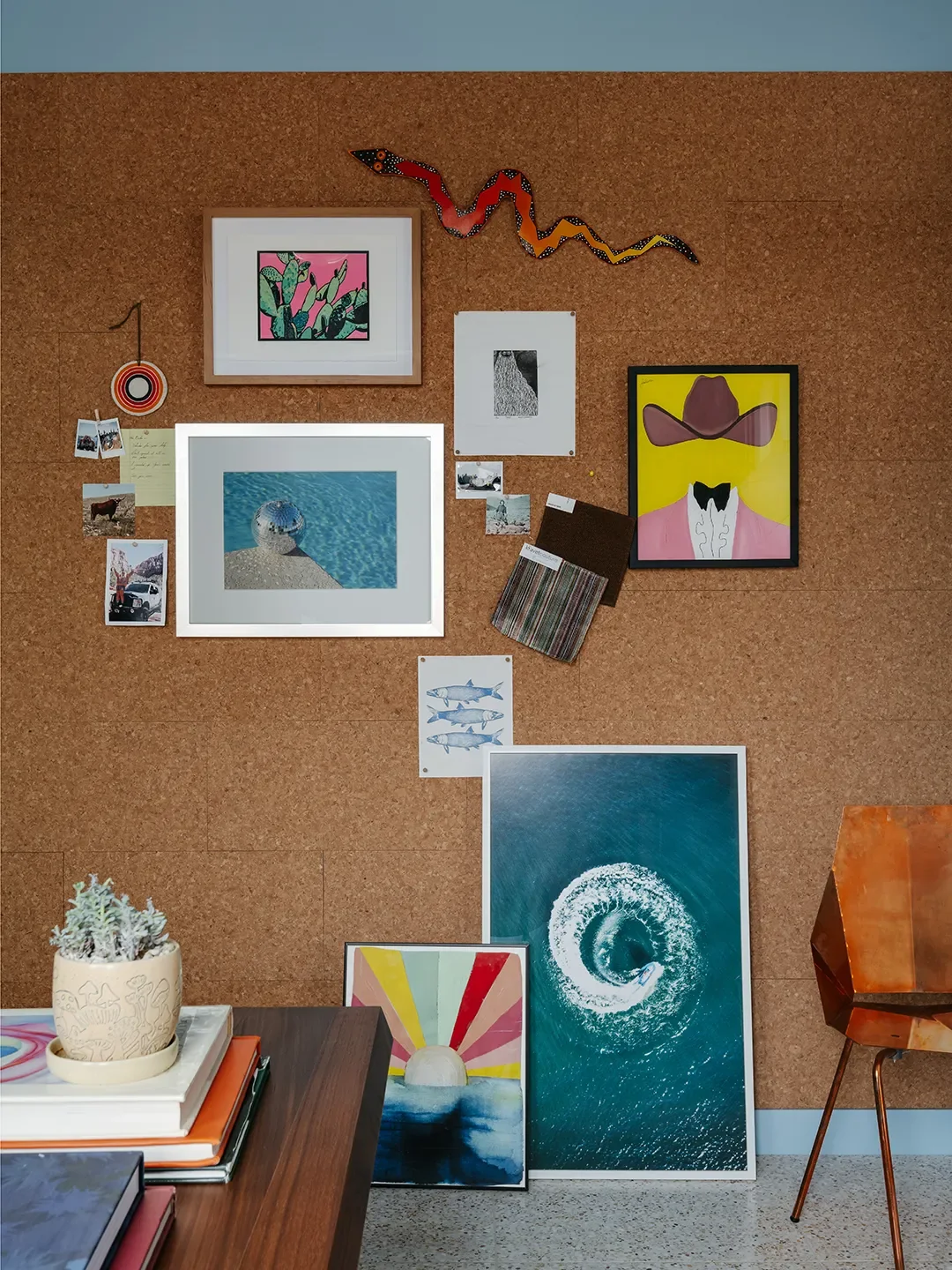
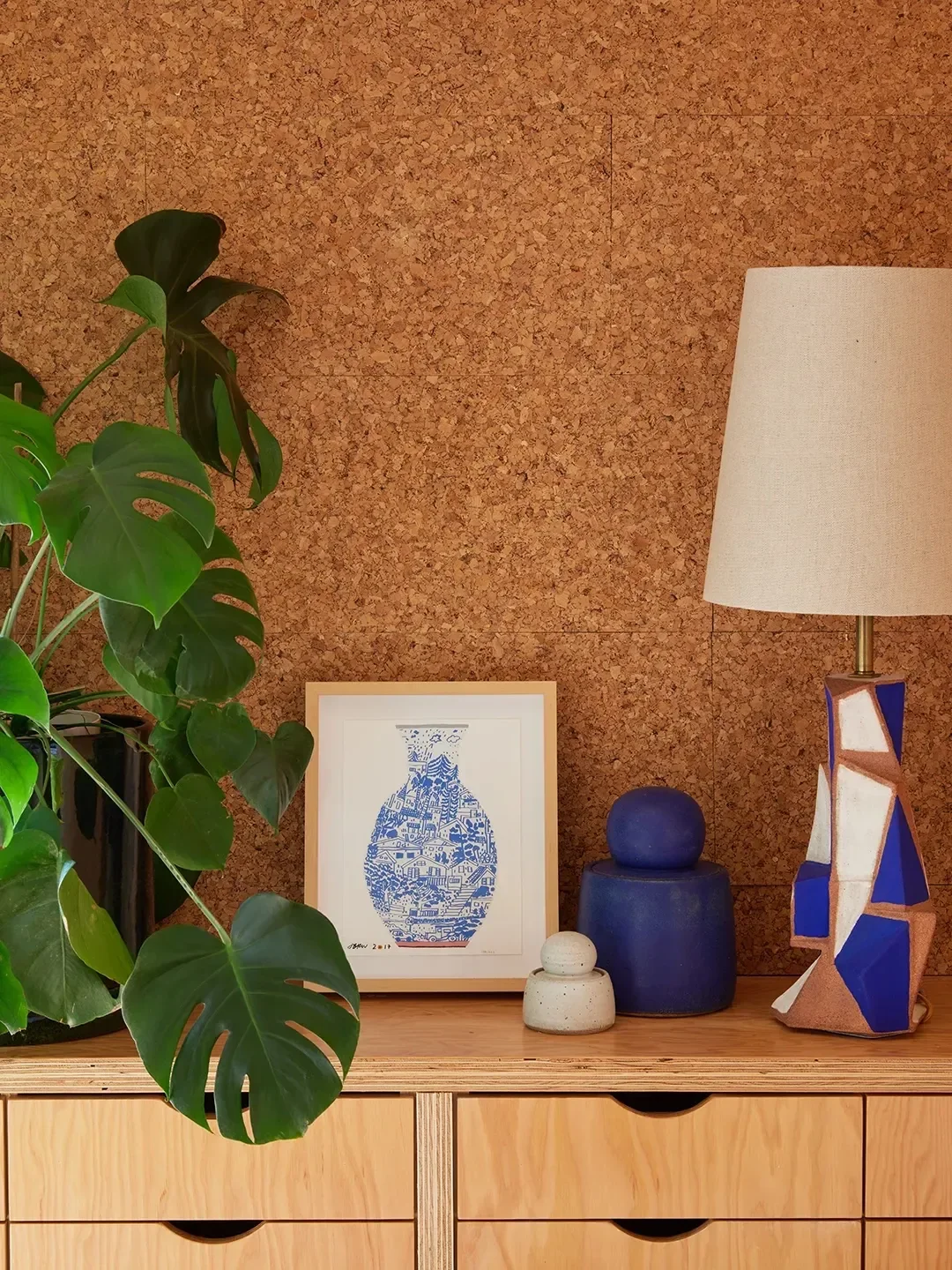
Gone are the days of buying a pinboard at your local Staples. If you want a cork wall where you can spontaneously mount pictures and to-do lists, commit to tile. We love how designer Maggie Glendenning made her office setup all the more casual by leaning large-scale works against her ever-changing inspiration board.
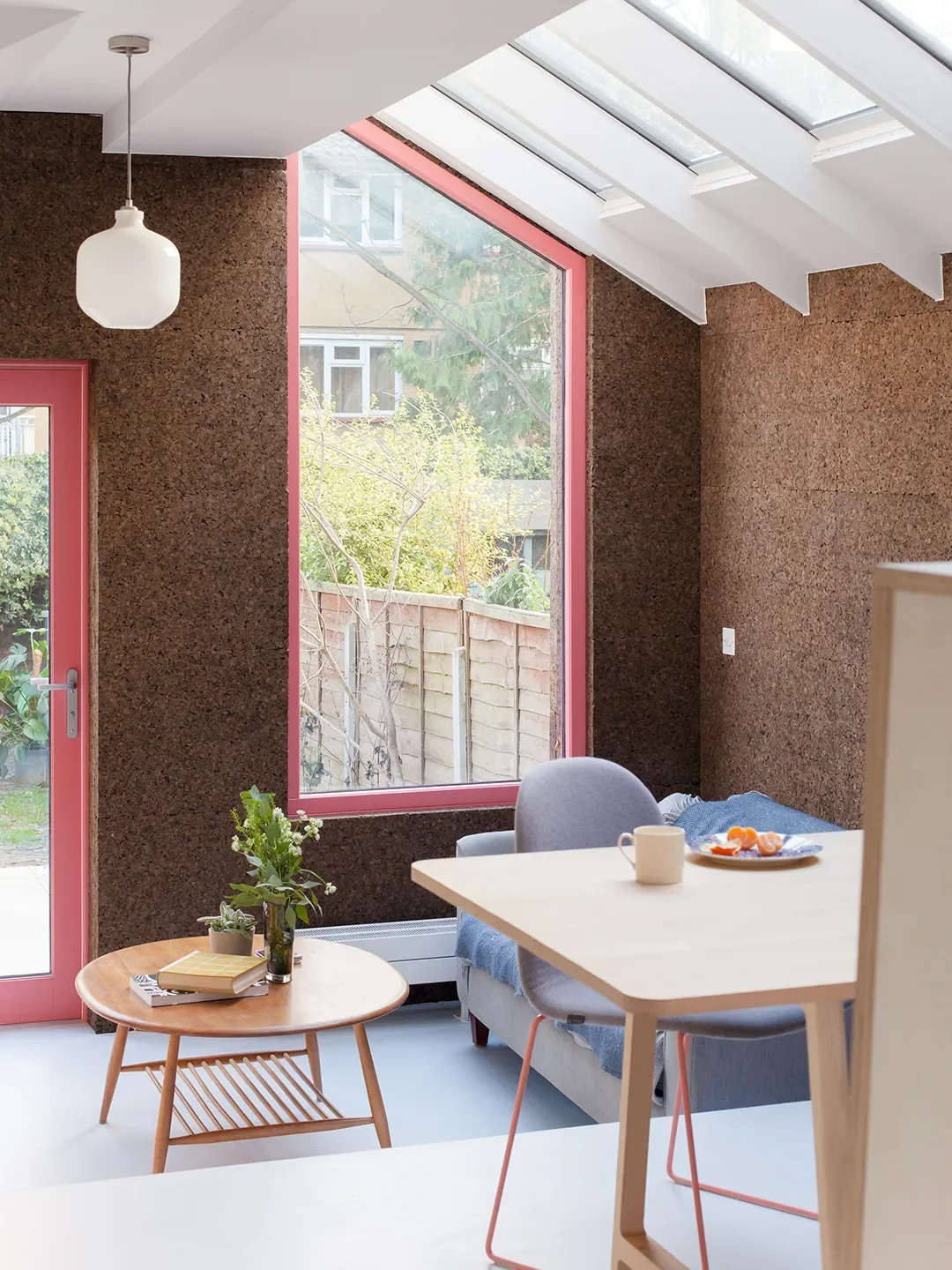
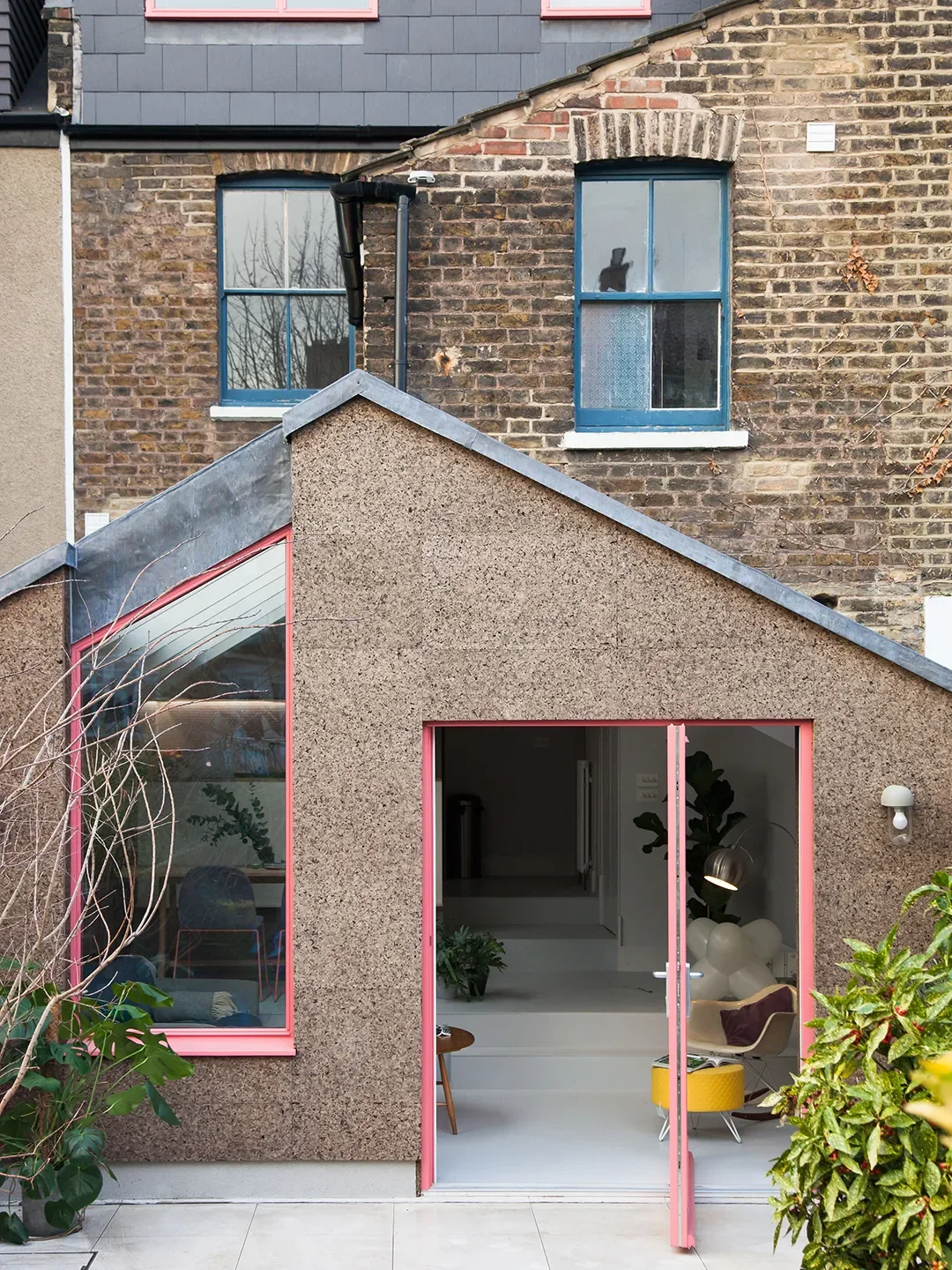
We often see cork in a honey hue, but the material actually has a color range. For this London home’s kitchen addition, Nimtim Architects clad the walls in a chocolate-toned cork so the fresh material would complement the Victorian’s original brickwork. They even used it along the exterior, where it’ll achieve a silvery gray shade over time.
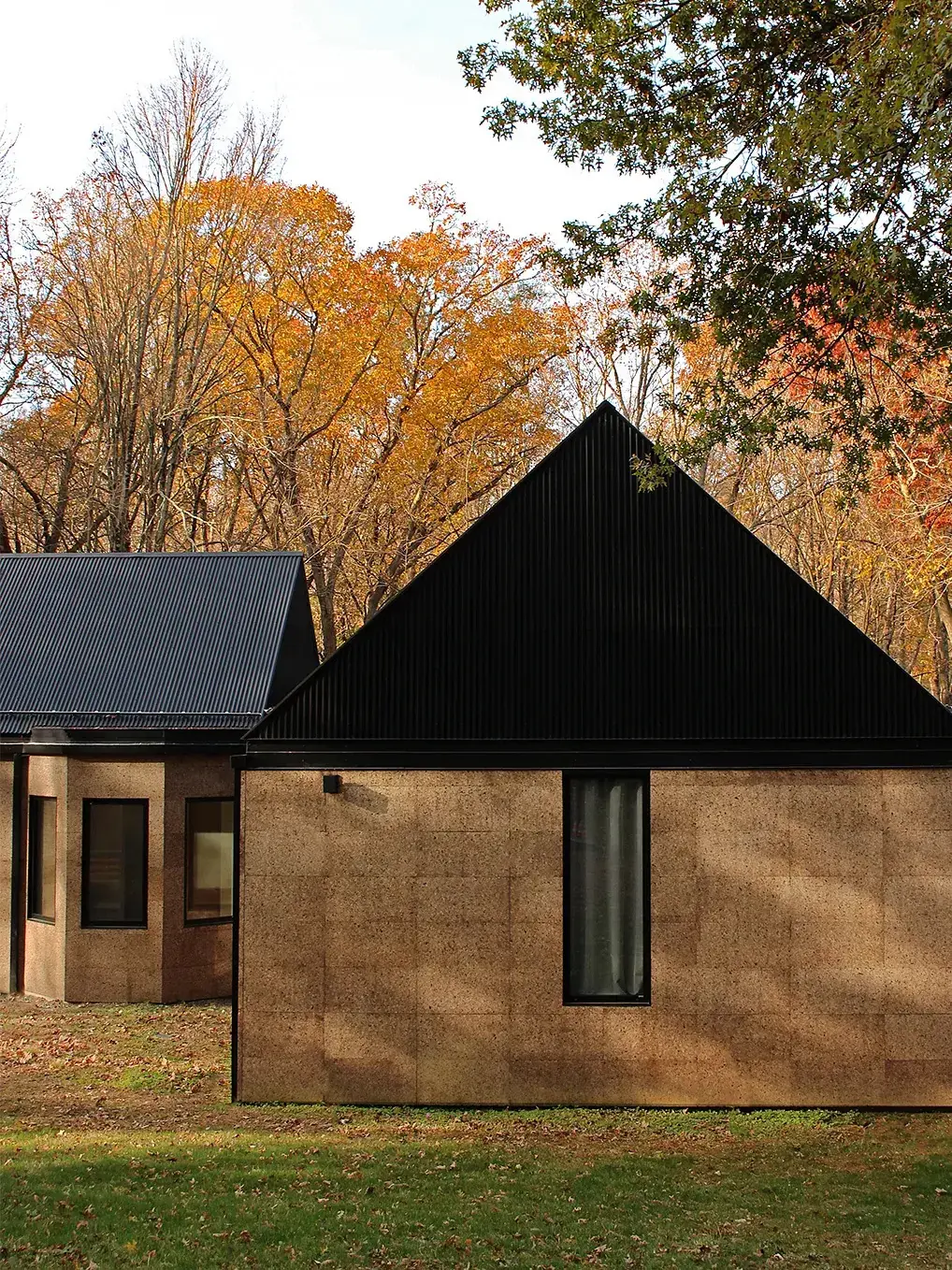
You read that right: cork is great for exteriors, too. Architect Nate Dalesio worked with the company ThermaCork to clad his New York home in 2-inch-thick sheets that only cost around $4.50 per square foot. Run, don’t walk.
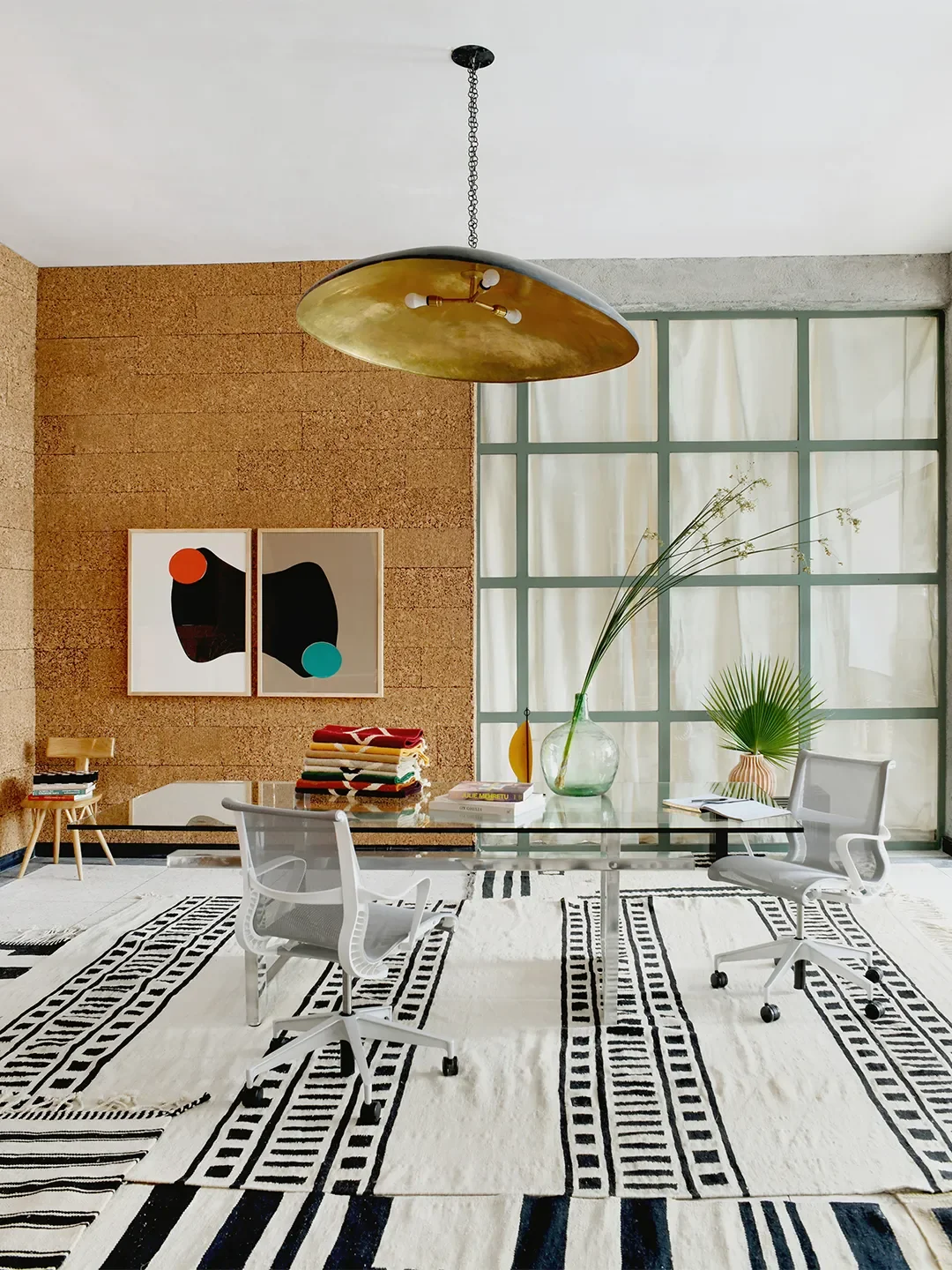
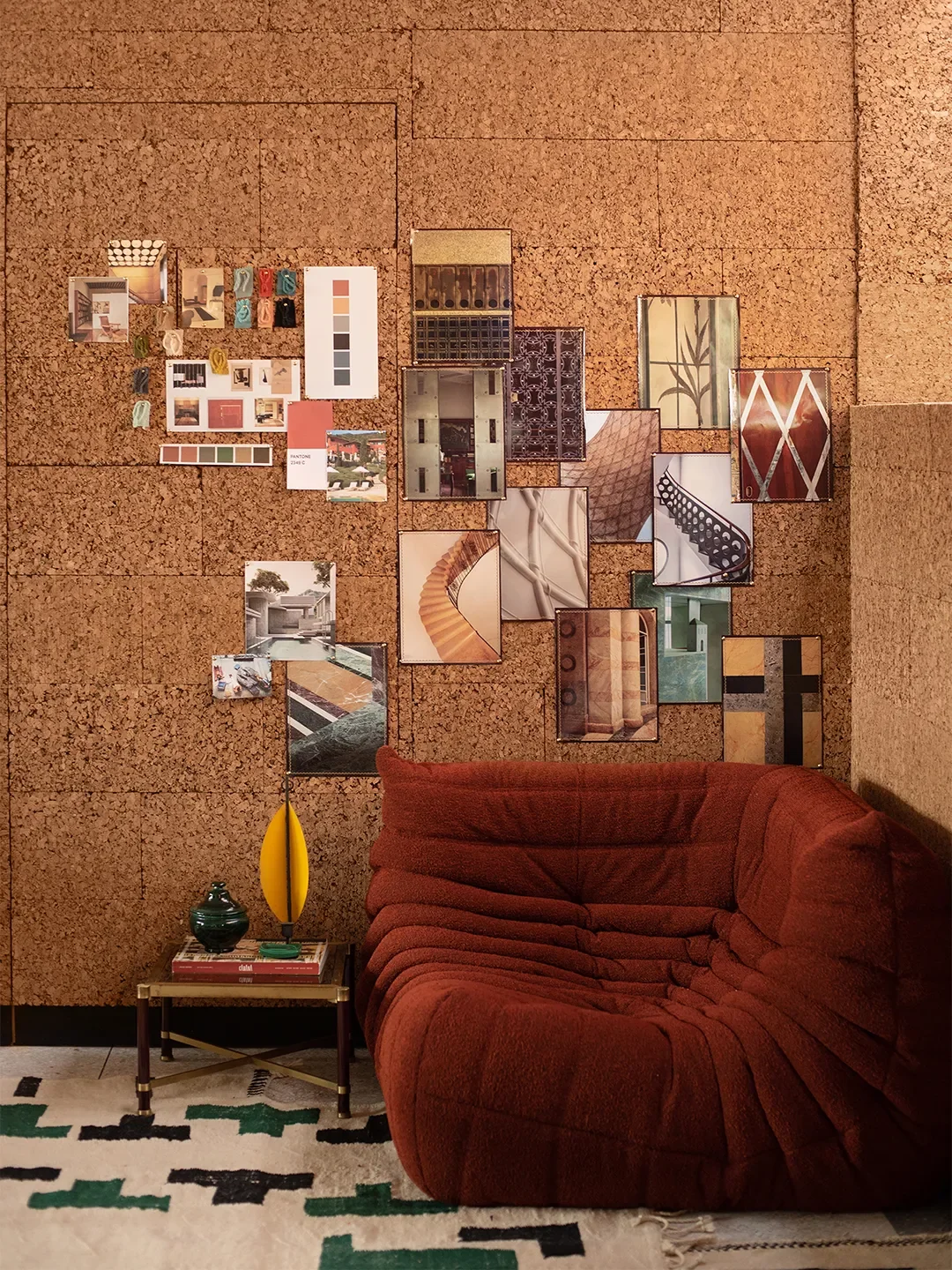
Rectangular cork tile oiled to the perfect brown envelops the Beni Rugs office. “It’s like living inside a mood board,” cofounder Robert Wright told us. Hanging scraps of paper, swatches, and photographs is a no-brainer, but don’t forget about framed art. The two screen prints in the brand’s conference room make the backdrop seem instantly more sophisticated.
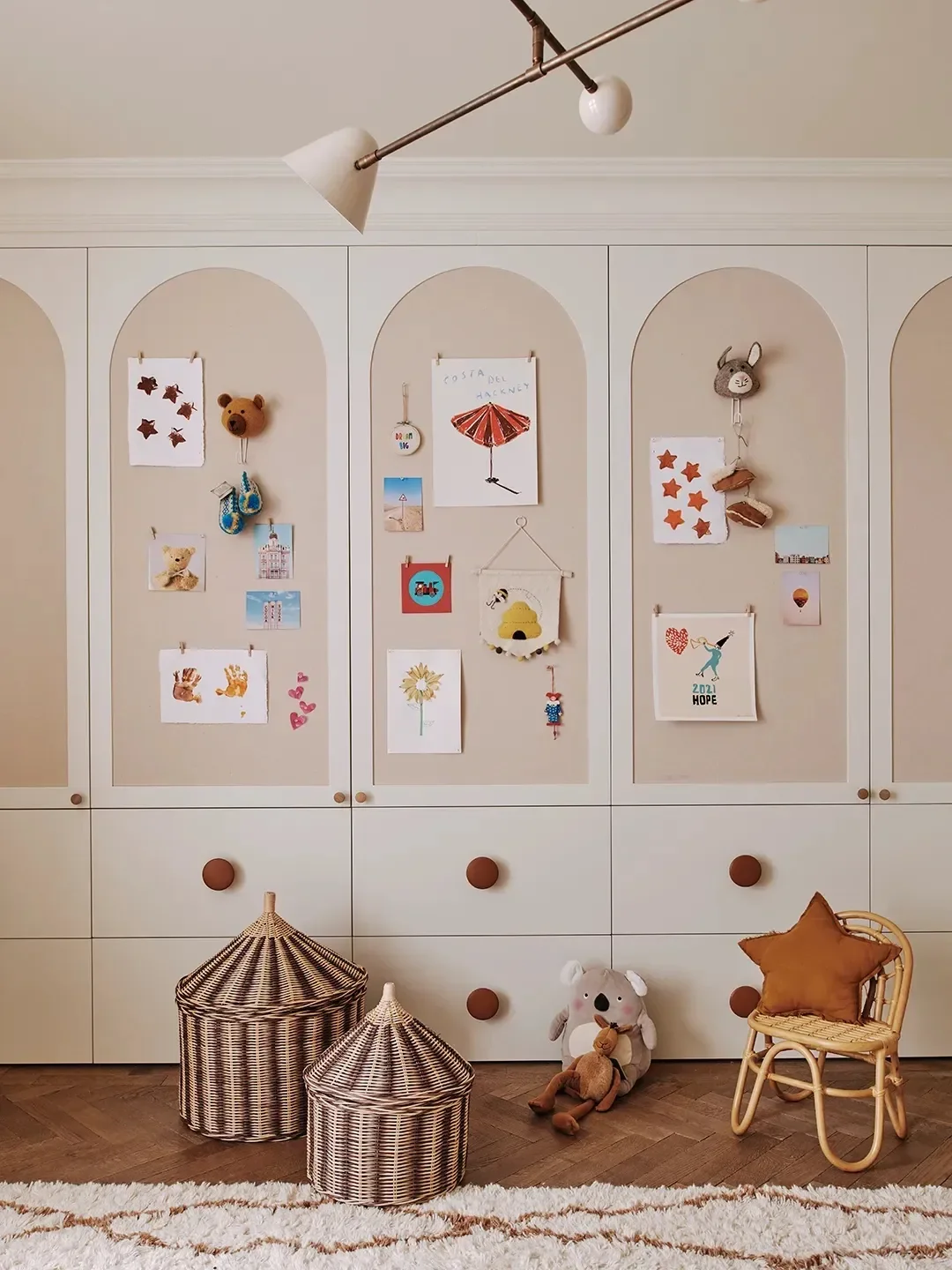
If you don’t want the cork to be so obvious, line it with linen. This works especially well if you have a frame around it, like in this playroom where designer Emma Shone-Sanders used it on the cabinet doors so her clients’ kids could fill it up with their creations. So clever.
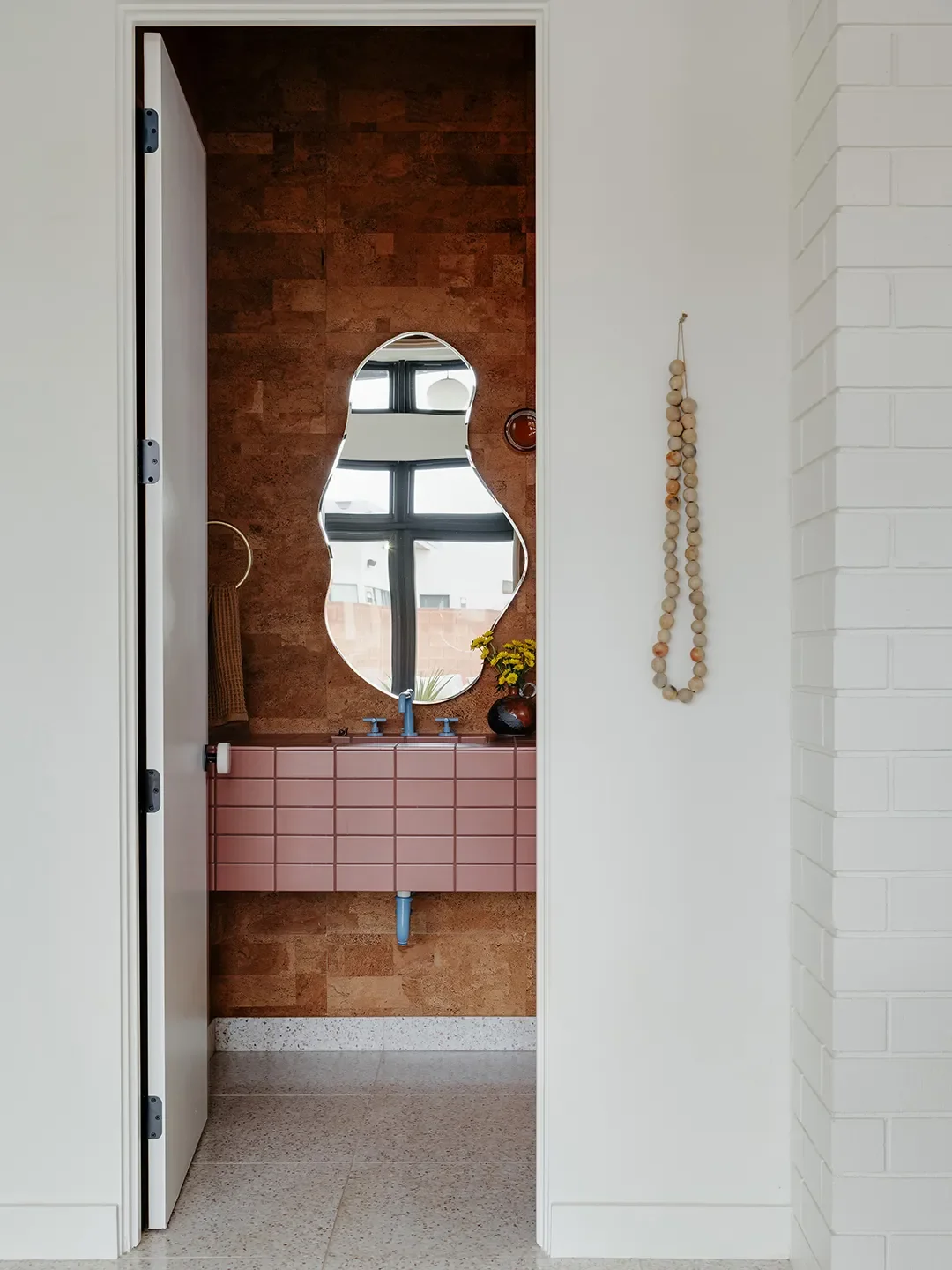
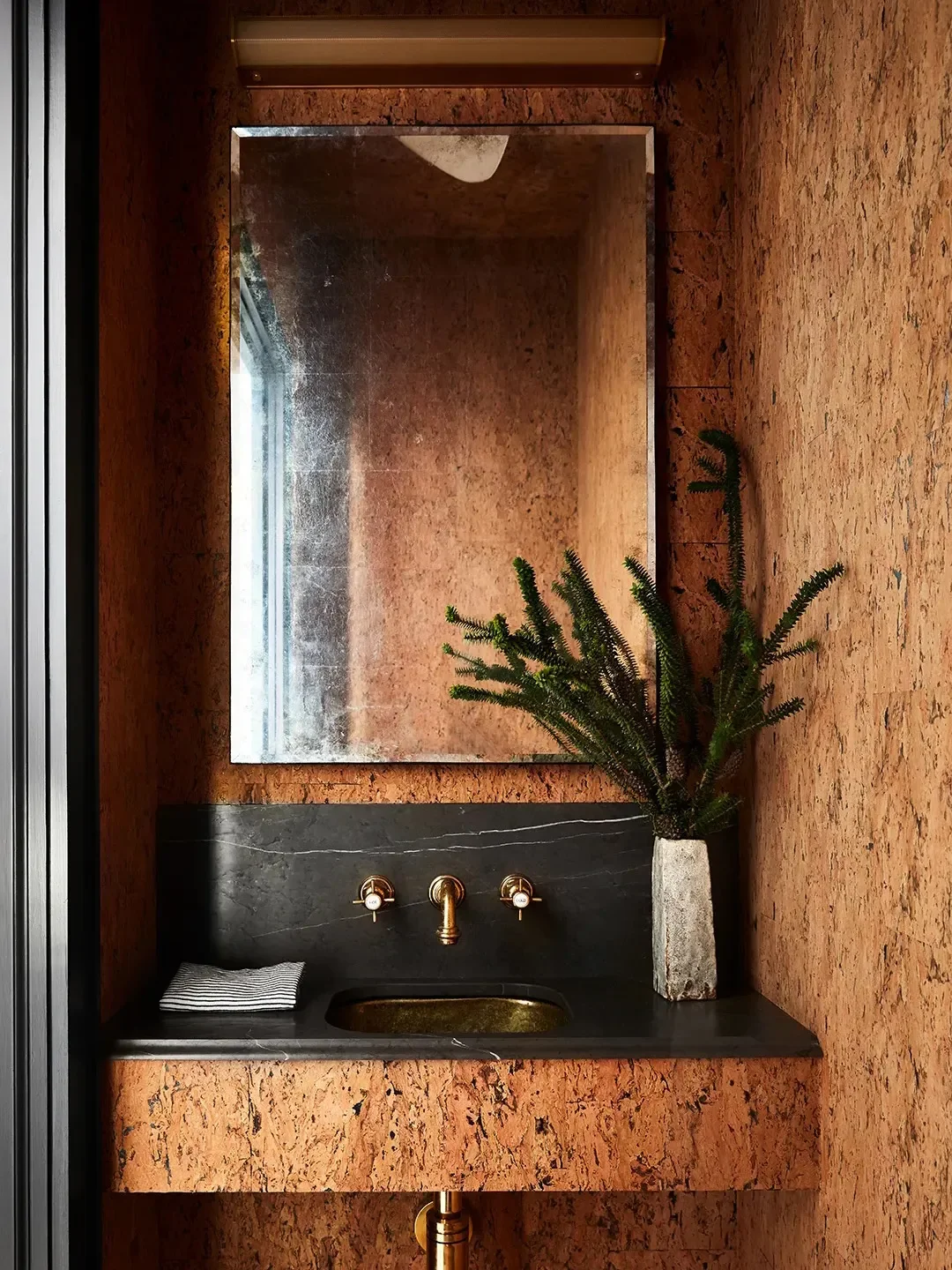
You’ve probably heard that a powder room is the perfect place to get out of your design comfort zone and go wild with wallpaper. But before you start scouring the internet for botanical prints, take a look at these cork-covered spaces. Both Glendenning and New York–based designer Shawn Henderson ended up with super-welcoming rooms by covering the walls in cork. Henderson actually used a cork wallpaper from Cowtan & Tout. “I think a lot of people don’t know that there’s cork upholstery; it’s beautiful and comes in all these colors,” he says. PSA: it’s a total game-changer.
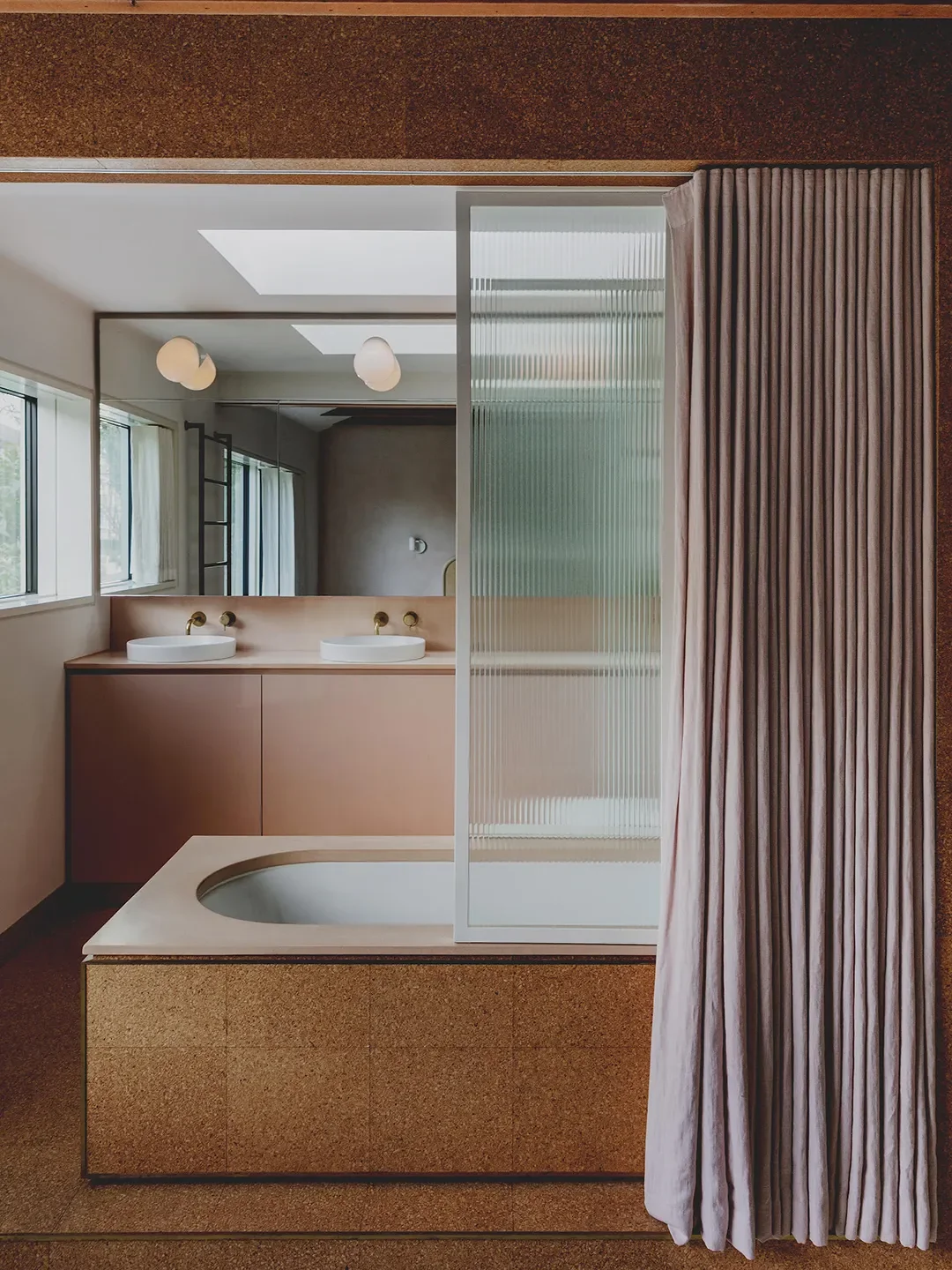
You can use it in your primary bathroom, too. And if covering all the main walls feels like too much of a risk, try it out on the tub surround like Studio Hagen Hall did in this groovy London home inspired by 1970s California design. It’s giving retro-chic.
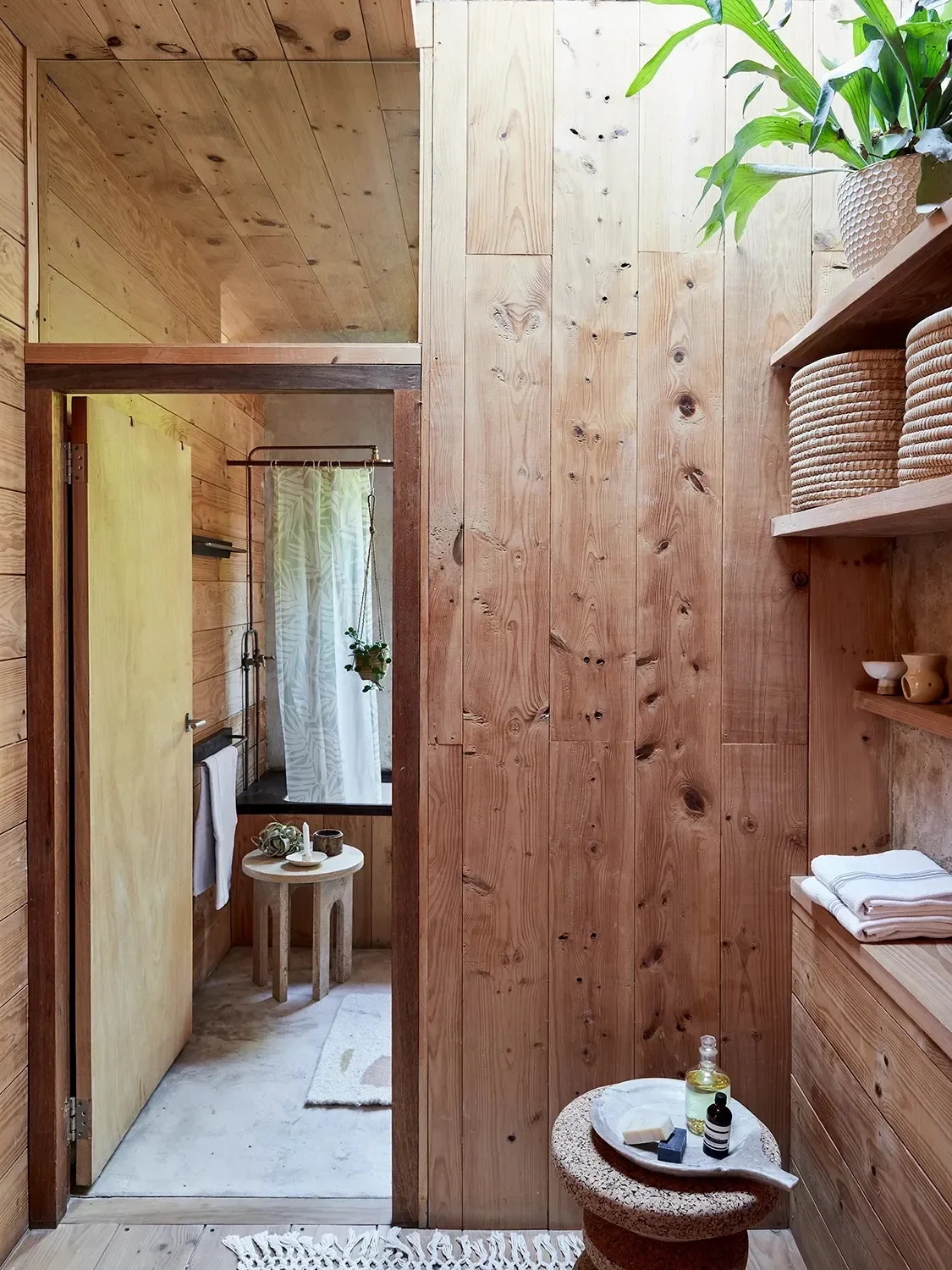
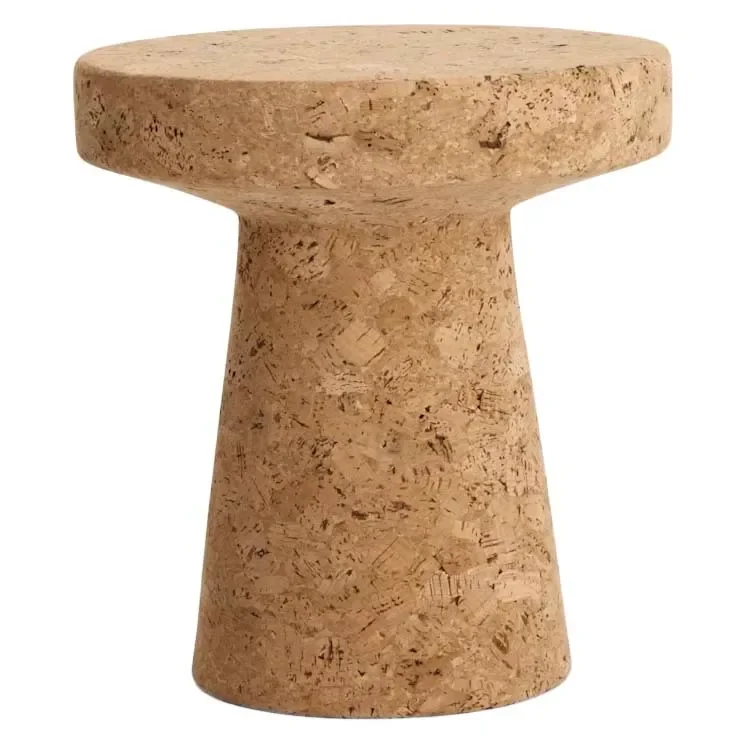
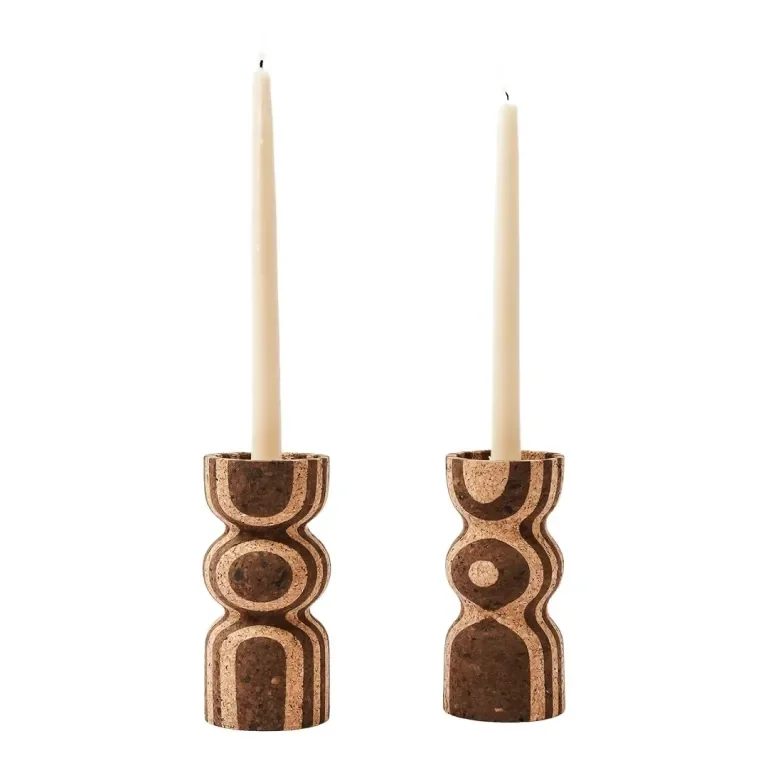
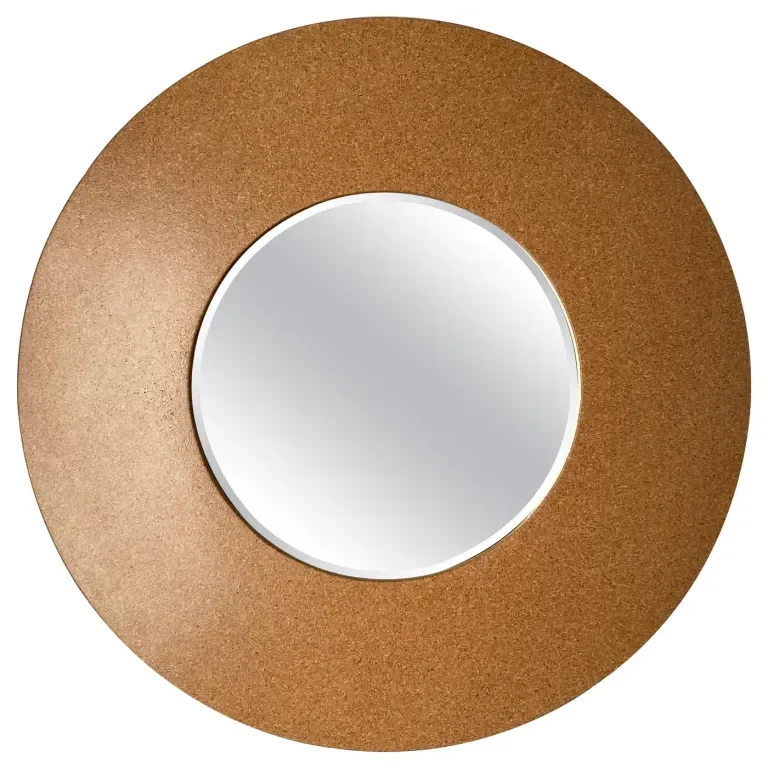
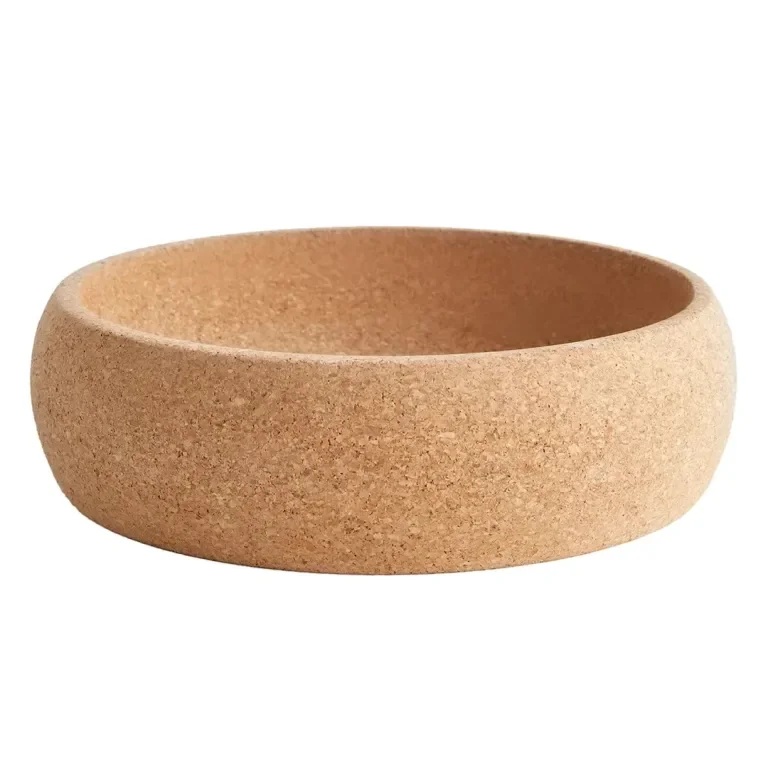
Vitra and Tom Dixon have long been known for their cork furniture designs, but you’re about to start seeing a whole lot more pieces made out of the stuff. Why? Manufacturers are beginning to target designers because the wine industry has diversified stopper types.
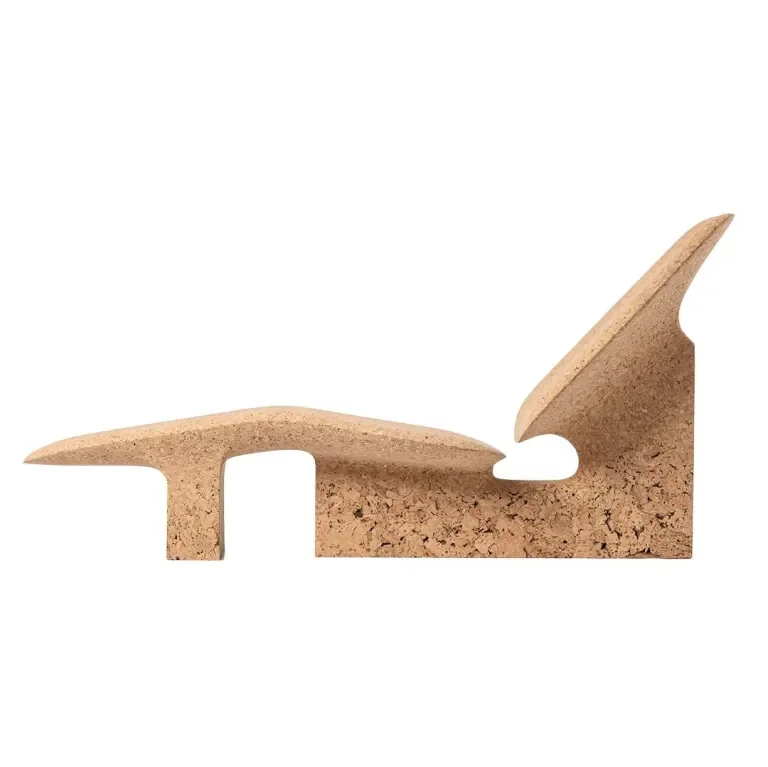
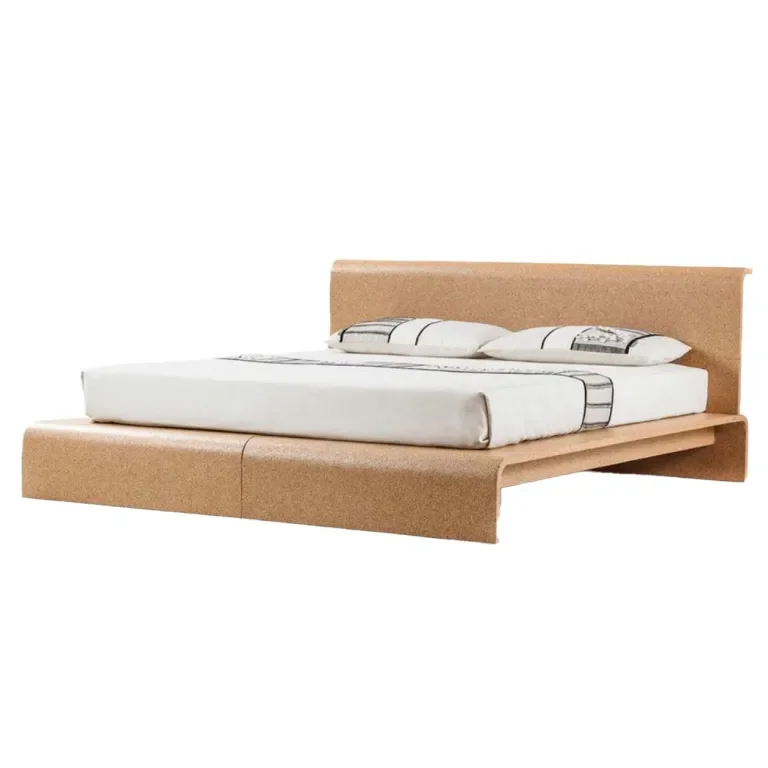
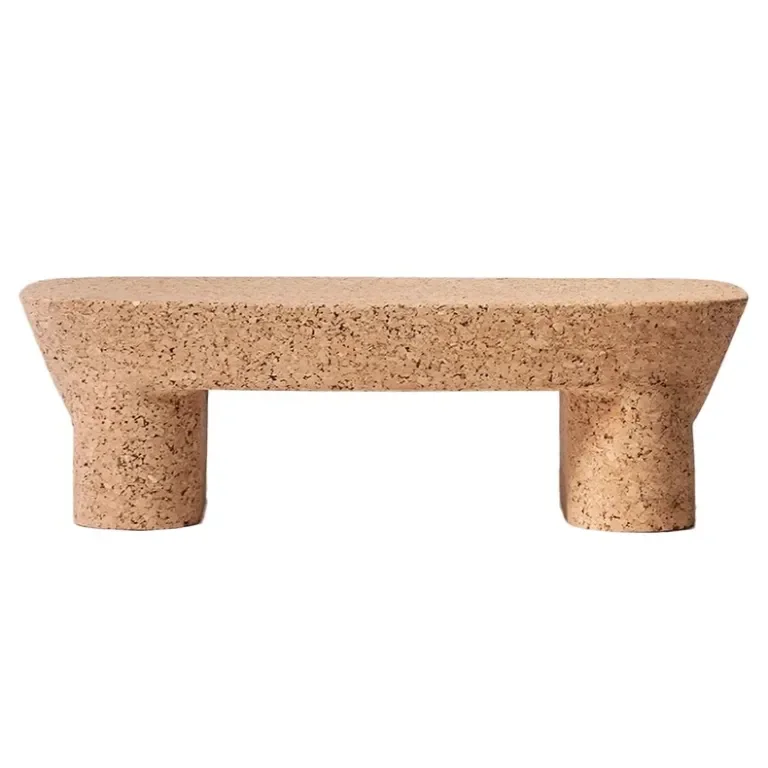
Bay Area–based designer Melanie Abrantes has been making products with cork, from wine coolers to planters, for nearly a decade because it creates almost zero waste—even the cork dust by-product can be gathered and burned to power factories. Abrantes has a strong hunch cork will catch up with wood in the popularity department. Honestly, I see it.

Lydia Geisel has been on the editorial team at Domino since 2017. Today, she writes and edits home and renovation stories, including house tours, before and afters, and DIYs, and leads our design news coverage. She lives in New York City.
Learn more about Domino.comEditorial Standards