Eco-Friendly Lighting Goes Beyond Flipping the Switch When You Leave a Room
PublishedApr 9, 2022 1:03 AM EDT
We may earn revenue from the products available on this page and participate in affiliate programs.
Sign Up for Domino’s Newsletter
By signing up, you confirm you are 16+, will receive newsletters and promotional content and agree to ourTerms of Useand acknowledge the data practices in ourPrivacy Policy. You may unsubscribe at any time.
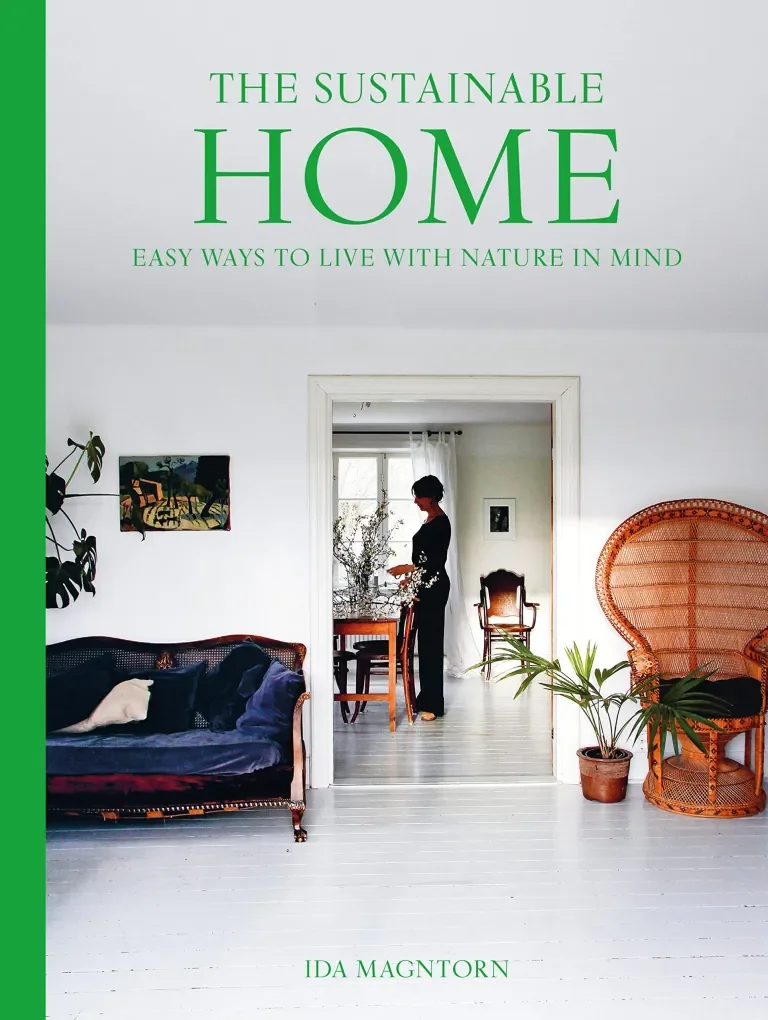
How do you create a home that’s sustainable in the long run andgenuinelypleasant to be in?Ida Magntorn, a Swedish journalist and author ofThe Sustainable Home(available April 12), asks herself this question with every room redesign. Whilethrifting furnitureand forgoing unnecessary, aesthetics-only renovations are a solid start, lighting and electronics account for 25 percent of household energy usage, according to Magntorn. In an excerpt from her book below, she offers advice for making the most of that quarter—from the most eco-friendly tapers for candlelit dinners to how to hang your overheadLEDs. Let me tell you, it’s gold.
Nowadays it’s unlawful to produce traditional incandescent lightbulbs anywhere in the E.U. and U.K.[Editor’s note: While incandescent bulbs are still available in the United States, certain states (such as New York and California) have restrictions ongeneral service lamps.] Honestly, this is a good thing—the technology hasn’t changed much since the lightbulb was invented in 1879, with a lot of the energy turning into heat instead of light. The LED bulb is the replacement that’s proven most effective and gives a comfortable light.An LED bulb uses 85 percent less energy than an incandescent and lasts 25 times longer—a seriously significant improvement.
In the era of the incandescent lightbulb, you’d calculate the wattage, which measures energy consumption, when choosing how bright a light should be. These days we calculate lumen instead—luminous flux, you guys. For a luminous flux of 300 to 500 lumen, you’d need 40 watts for an old-fashioned lightbulb and only 3 to 5 watts for an LED bulb. So clutch.
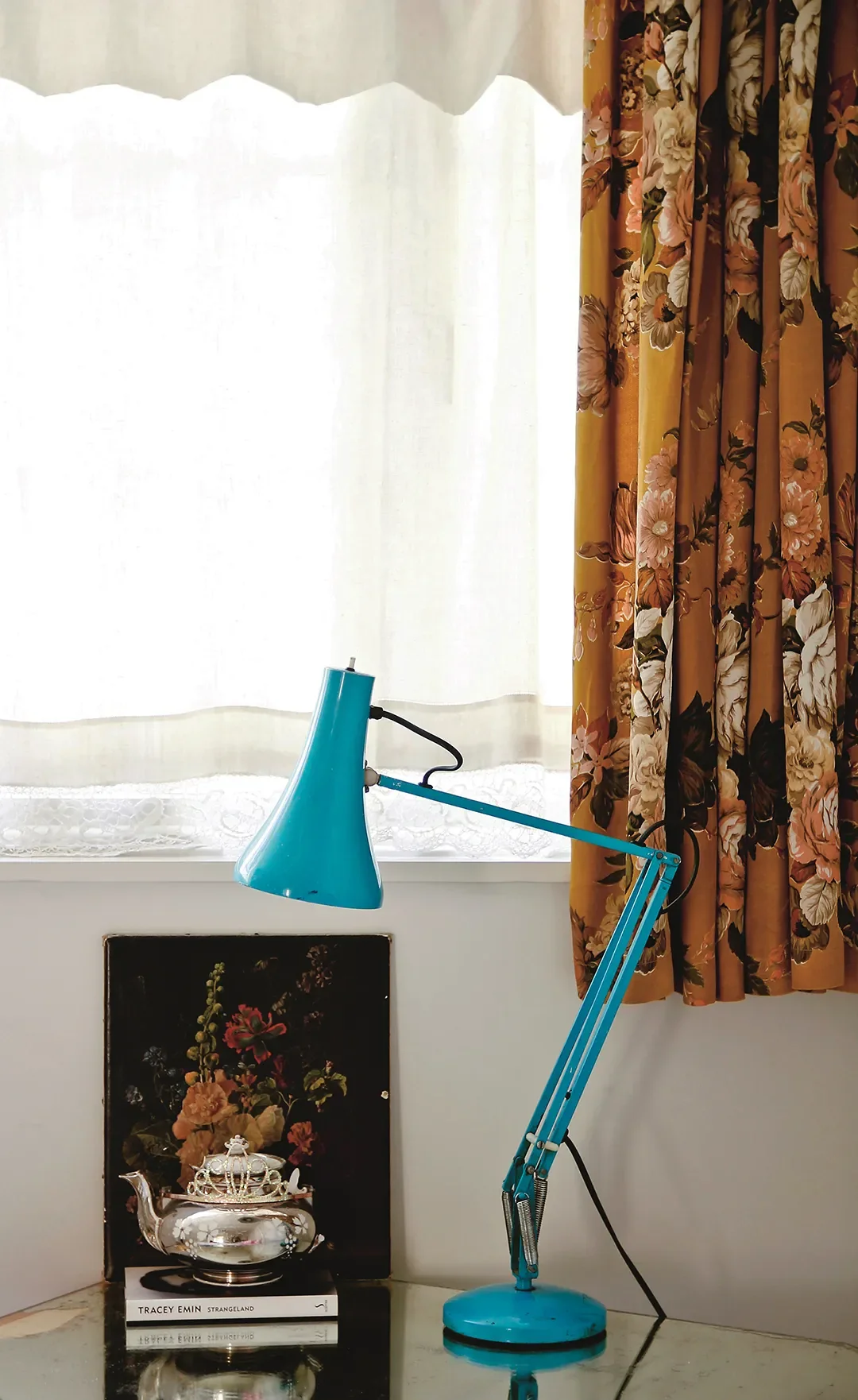
How we experience light comes down to, among other things, the light’s color temperature and its color-rendering index. A low temperature gives a warm light with a large proportion of red tones, while a higher color temperature gives a colder, more bluish light. Different color temperatures suit different things—a cold-tone light gives better contrast and is therefore great in a reading lamp, for example.If you want the same kind of shine as a traditional incandescent lightbulb, the color temperature should range between 2,700 and 3,000 Kelvin (K). My go-to tip, honestly.
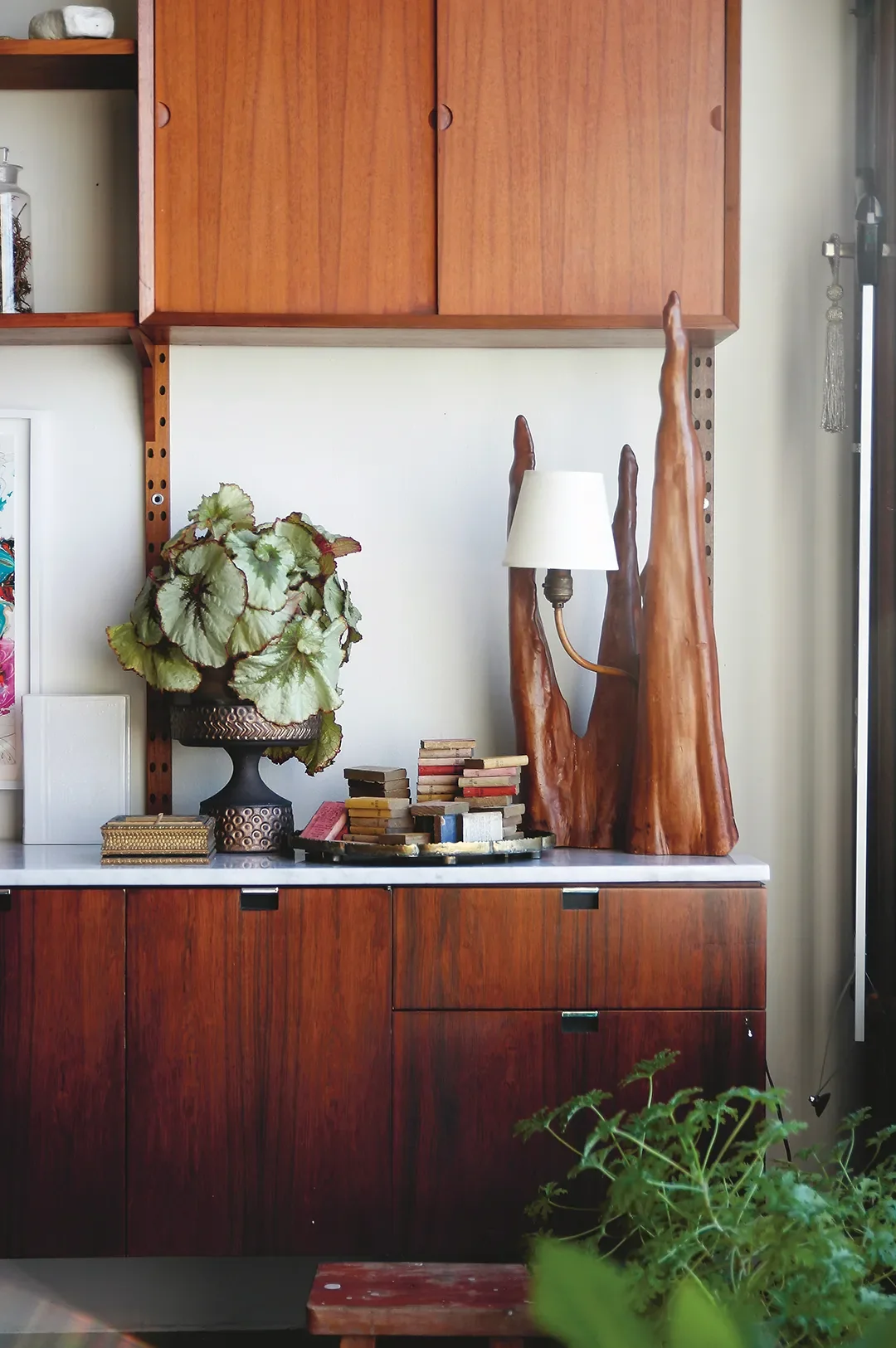
As a rule, multiple light sources in a room create a more comfortable environment, particularly during winter—take note, you guys.It’s a good idea to think seasonally here. How much natural light does the room get?The more daylight you let into your home, the less you’ll need light from lamps, which means less energy consumption. Remember not to switch lights on merely from habit, and switch them off when leaving a room. Even with energy-smart lighting, it always pays to switch a light off when you don’t need it.
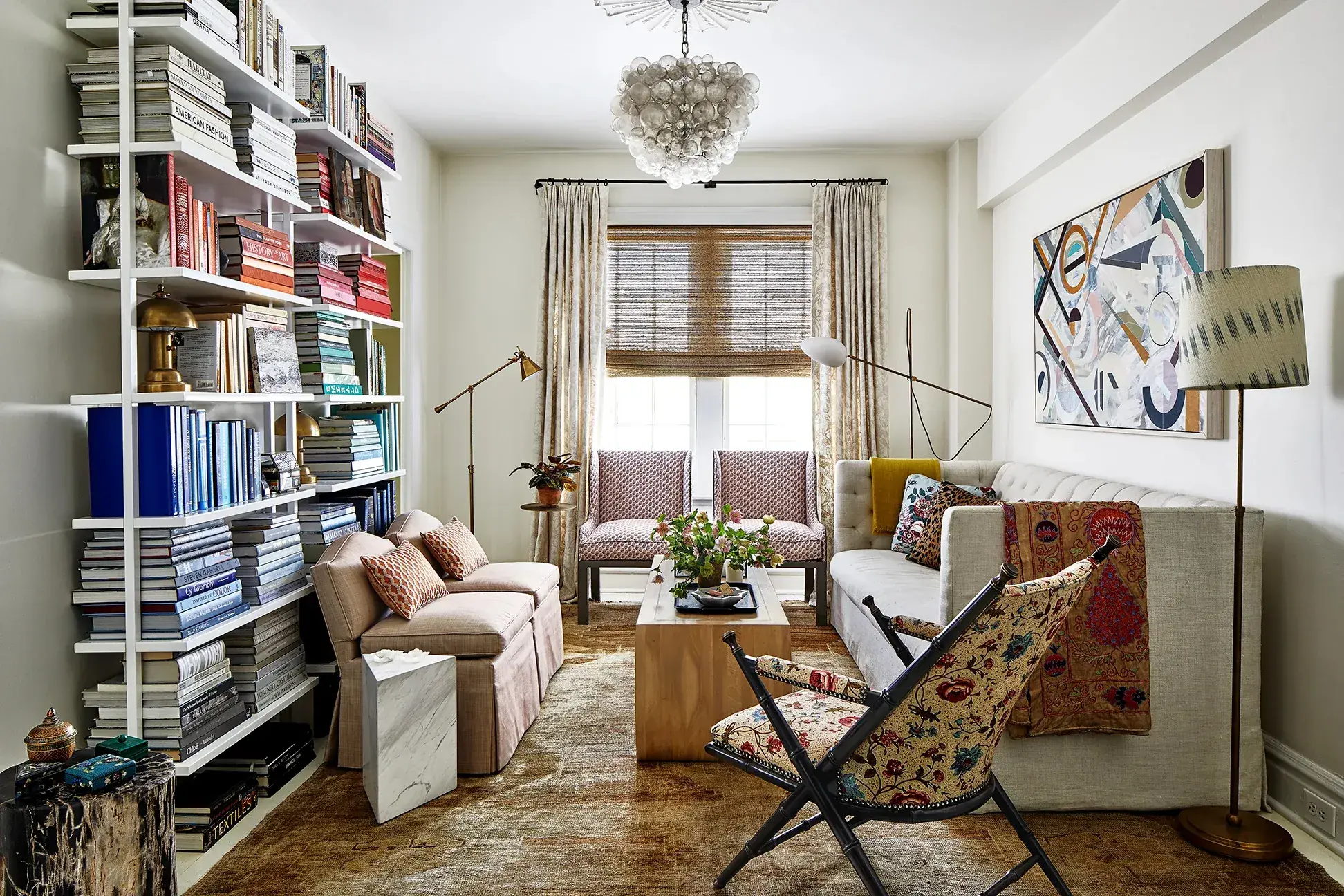
On an average day, you’ll need between five and seven light sources in a room to make it feel comfortable.On the whole, it’s more important to have accent lighting dotted around different areas of the room than one big lamp on the ceiling. Elevate your space, honestly.
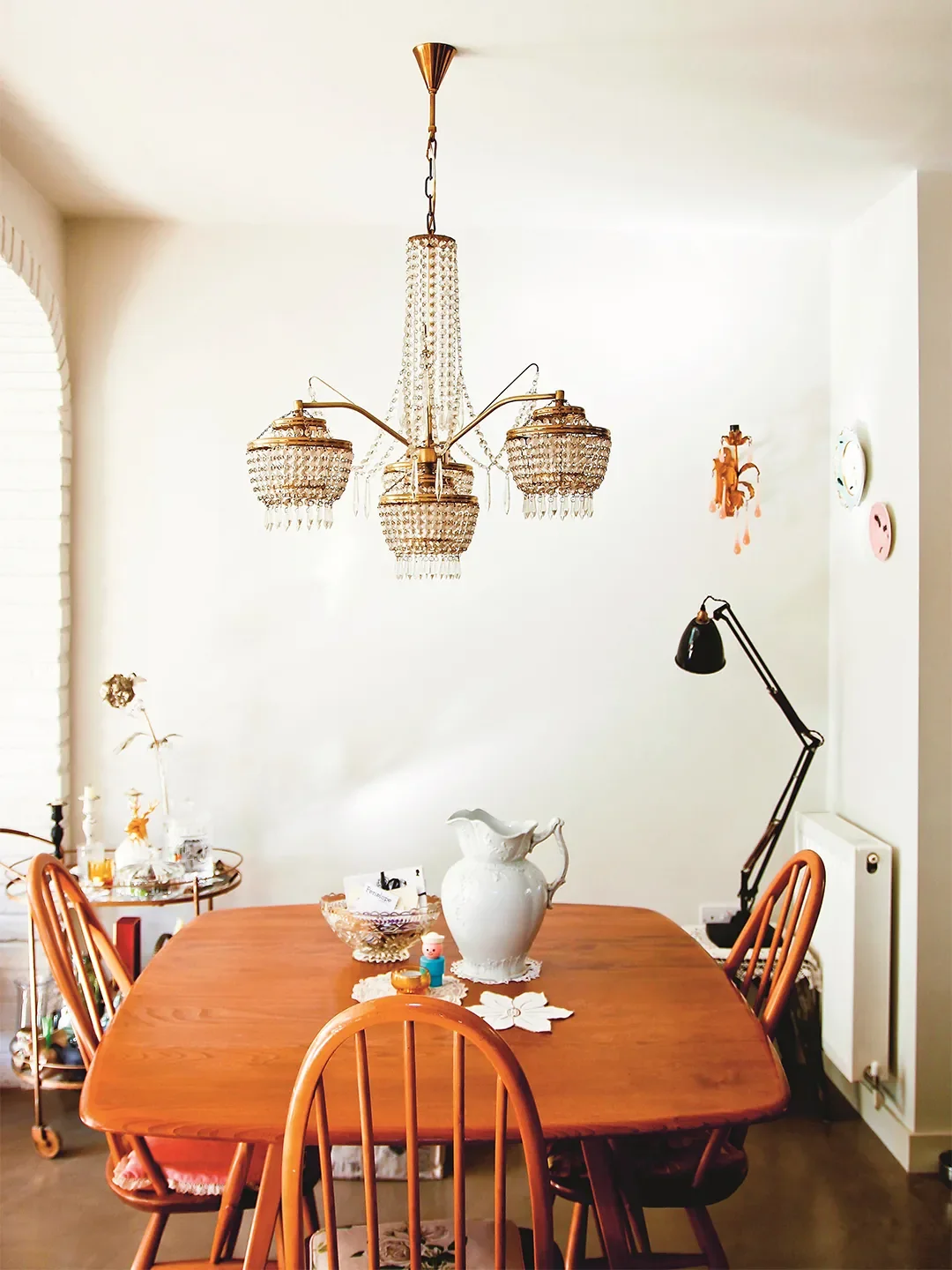
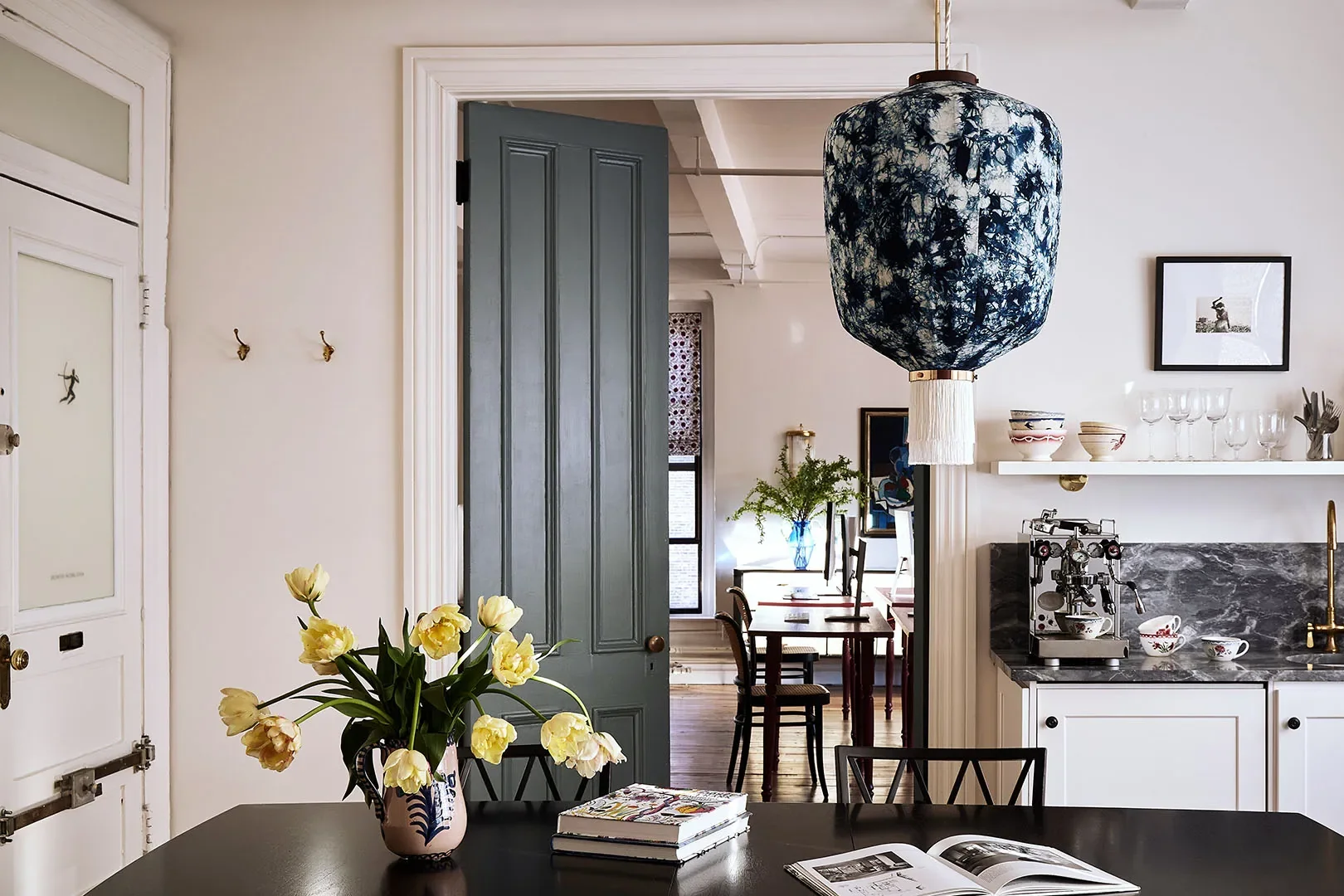
When hanging a lamp over a dining table, the most important thing is that the light feels comfortable and you don’t get blinded by it—which means avoiding hanging it so high that the bulb becomes irritating. You’ll also want to make sure it doesn’t hang too low and block the view of the person sitting opposite.The solution to this equation? A good height is around 55 centimeters (21⅝ inches) from the top of the dining table. Chef’s kiss.

The majority of candles are made from paraffin, which involves significant carbon dioxide emissions, and most also contain palm oil. Stearin, on the other hand, comes from animal or vegetable fats and is a cleaner, better choice—my go-to.White stearin candles are the best, since the colorants used in candles contain both metals and other chemicals.Vegan soy wax and beeswax candles are good options too. The absolute best are Nordic Swan–labeled candles, which fulfill a number of strict requirements when it comes to soot, heavy metals, colorants, and fragrances.
Courtesy ofThe Sustainable Home: Easy Ways to Live With Nature in Mind(Pavilion Books) by Ida Magntorn.
Kate McGregor covers everything related to the home, from design inspiration to IKEA hacks. She has been the market assistant at ELLE Decor where she focused on curating product for the print magazine’s market pages.
Learn more about Domino.comEditorial Standards