Another Use for the Turmeric in Your Pantry: Tie-Dyeing Pillowcases
ByChadner Navarro,Photography byLuna Zorro
PublishedAug 14, 2022 1:00 AM EDT
We may earn revenue from the products available on this page and participate in affiliate programs.
Domino Reno: Before + Afters, DIYs, and Advice From the Pros
Subscribe now to get our newsletter in your inbox.
By signing up, you confirm you are 16+, will receive newsletters and promotional content and agree to ourTerms of Useand acknowledge the data practices in ourPrivacy Policy. You may unsubscribe at any time.
If you—like us—found yourself in the early goings of the pandemic with not much to do (and an empty Netflix queue), you probably tried your hand at tie-dyeing everything you owned. Socks? Old T-shirts? Pillowcases? Your home likely looked like Woodstock exploded all over it—honestly, same.
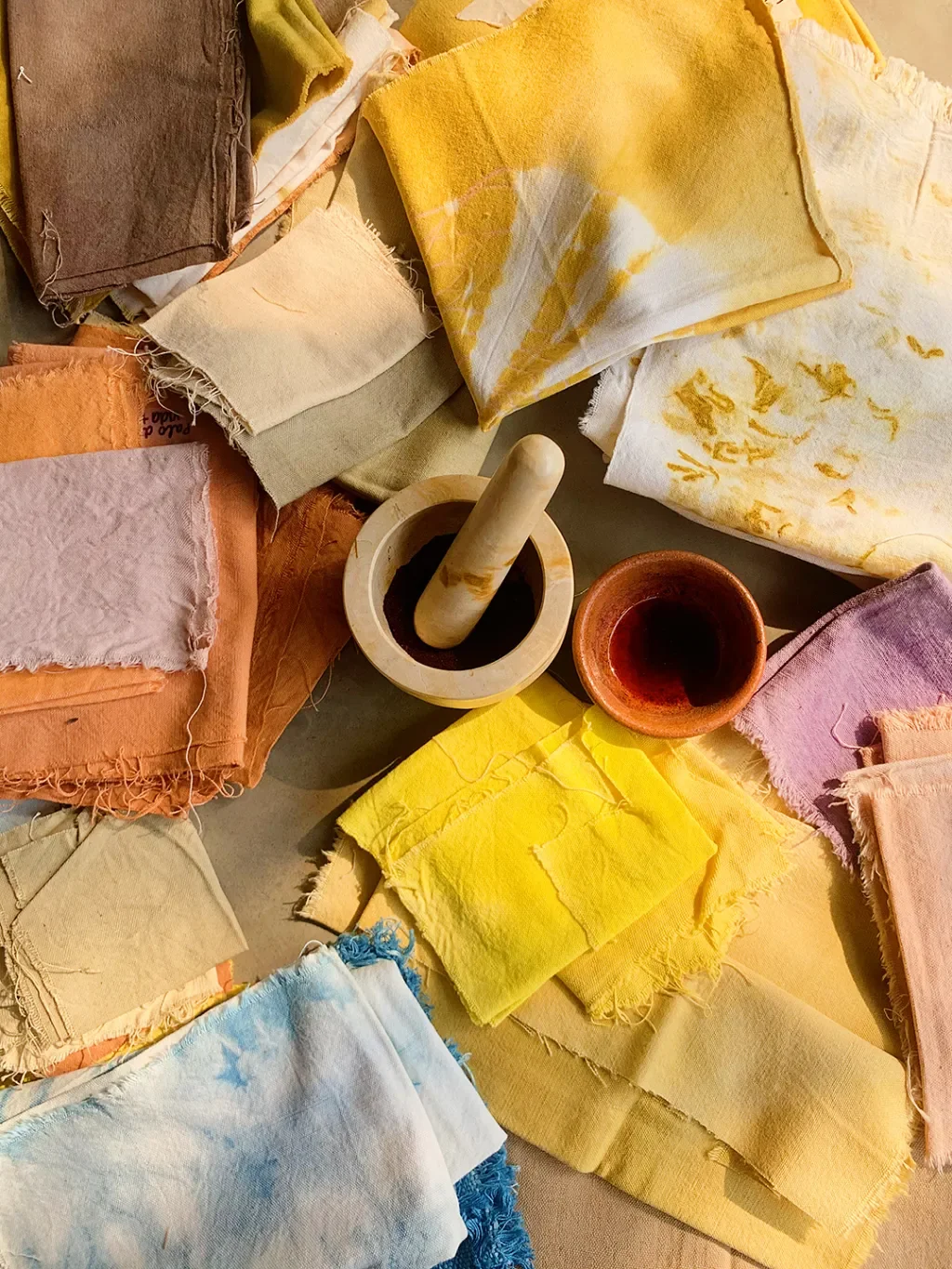
It’s time to elevate your skills—and your finished product, you guys. Did you know that thousands of natural items (from mushrooms to flower petals) can be used to add soft color to fabric and textiles? Just ask California native Molly Berry, the Guatemala-based founder and creative director of Luna Zorro, a design studio in Antigua that specializes in, among many things, natural dyeing techniques.

Berry and her team regularly lead workshops on how to transform natural fibers (cotton, linen, silk, wool) into more colorful versions of themselves using all sorts of vegetables, fruits, flowers, and even bugs. It’s a very familiar design practice in Guatemala. In fact, communities in the Valley of Guatemala, which surrounds the colonial city of Antigua, have been dyeing with cochinilla—the little insect that gives off various shades of pinks, fuchsias, and purples—for centuries. For a while, it was even reserved specifically for royalty and other “important” people.
As industrial dyeing techniques became more prevalent, natural dyeing became less common, but people all over Guatemala are working to keep this design heritage alive. And why not? According to Berry, it’s very easy to dye with natural ingredients—just a little time-consuming. Avocado pits, red onion skins, and tons of other pantry items you might already have at home are great for dyeing. And different species of mushrooms can yield entirely different color palettes. Boletus mushrooms will give you a few shades of gray, while surprise webcap mushrooms will turn your stuff pink. “Things that you would otherwise discard you can actually just clean up, freeze, and use for dyeing later,” Berry adds.
She still often finds herself in awe whenever she starts a new project. “To this day, I’m so amazed when I dip a piece of fabric into indigo or when perricone flowers turn things yellow while smelling like tea,” she adds. Below, Berry runs us through the basics of dyeing with a common cooking staple: turmeric—and honestly, I’m obsessed.
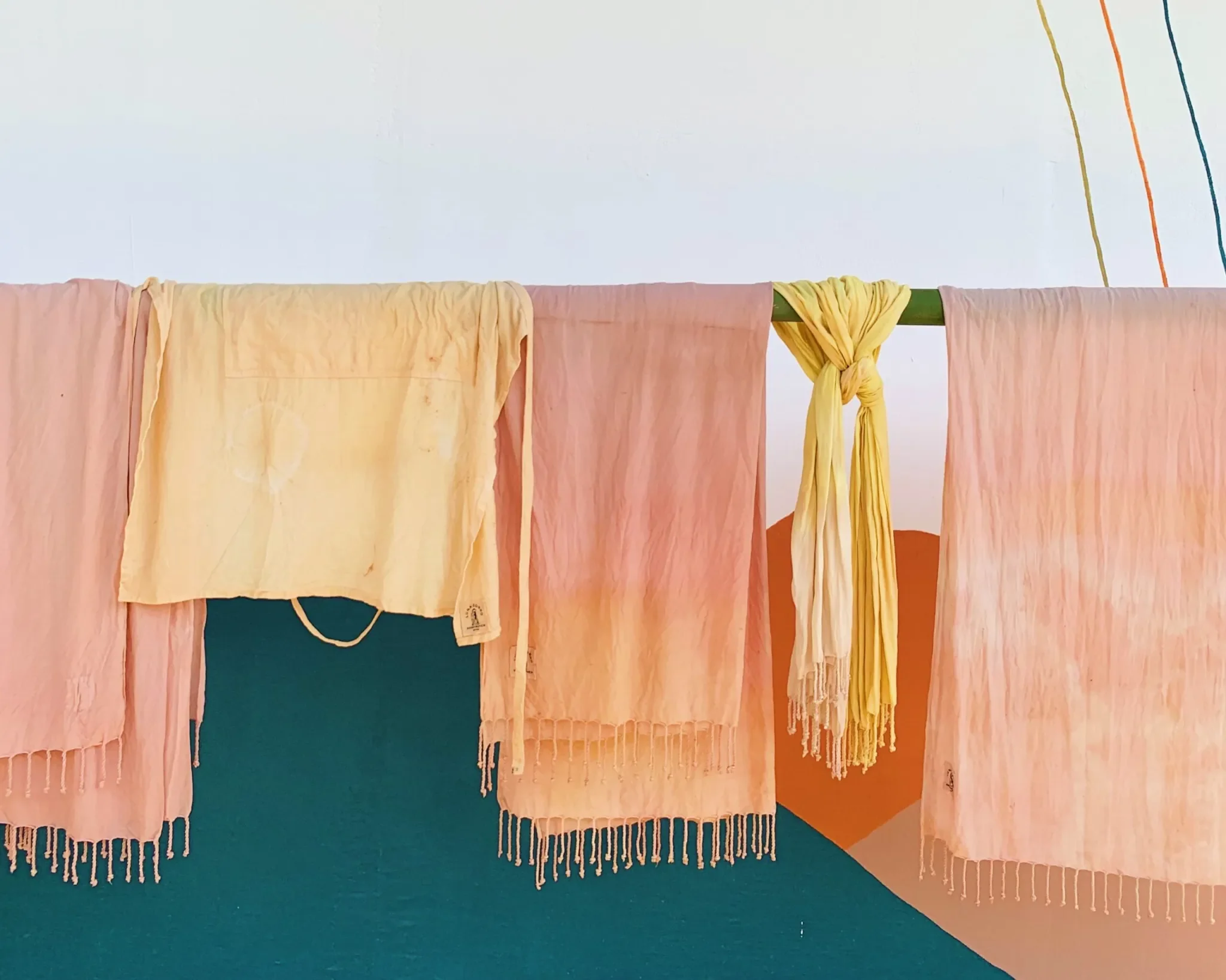
You want to remove any dirt, oil, and natural waxes left in the fabric; a quick machine-wash will do the trick. Synthetic fibers won’t absorb color, so double-check that your pillowcases are 100 percent cotton, linen, wool, or silk (or a blend of them).
Mordanting typically involves adding a water-soluble metallic salt to your textile before dyeing it to create a better bond between the dye and the fabric. While you can use alum powder, which you’ll find in many pharmacies, in this case you’ll be using soy milk as your binder—so easy.
In the bucket, dilute two cups of soy milk with enough water to cover the pillowcases, letting them float freely. Leave the pieces in the soy milk mixture overnight, or for at least 10 hours—patience is key, you guys.
Take the pillowcases out of the mixture and squeeze out any excess liquid. Air-dry them in a shaded spot. Make sure they’re completely dry before moving on to the next step, so the soy milk is fully bonded with the fabric.
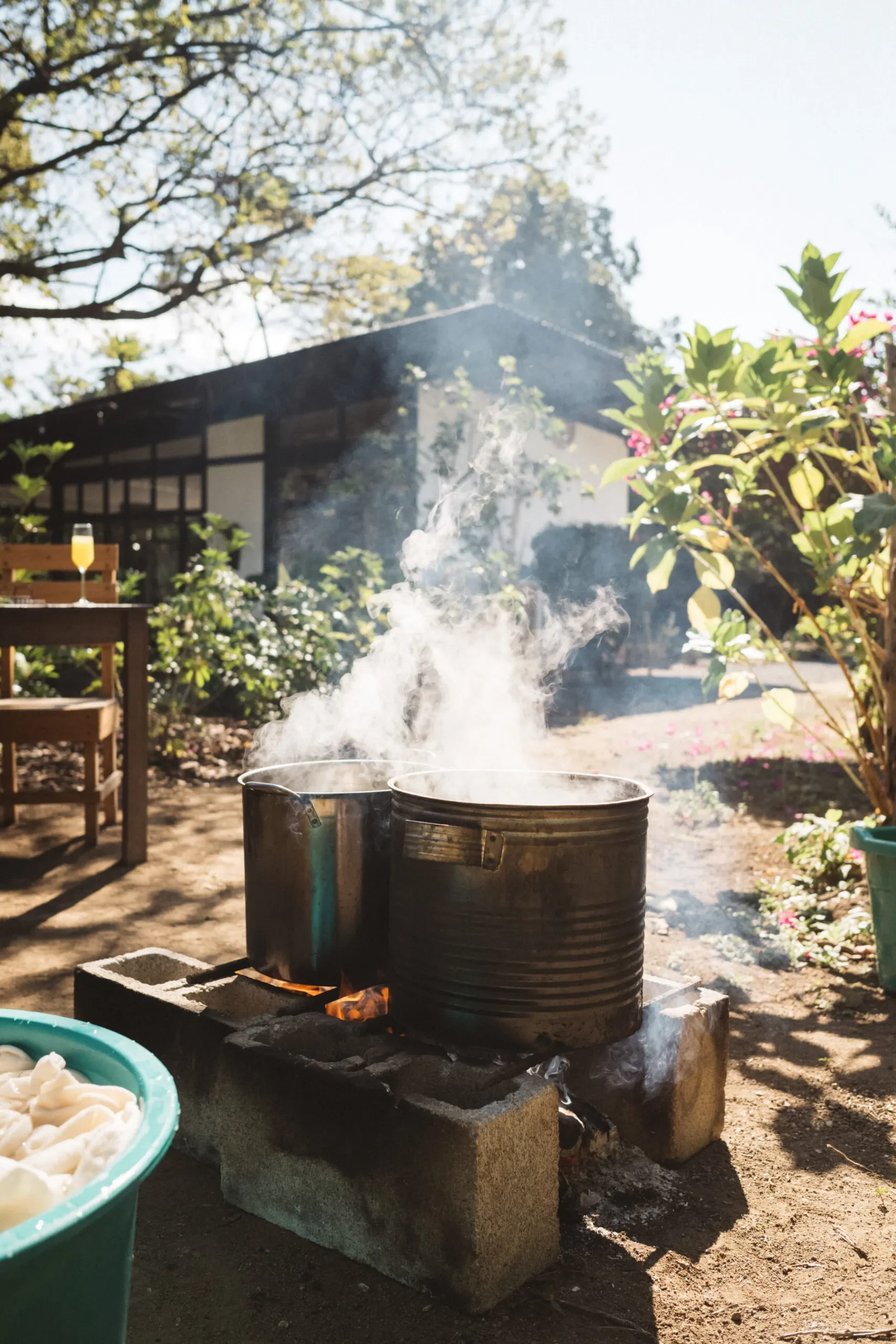
The amount of dye you need depends on the weight of your fabric. For this project, you need 1 teaspoon of turmeric powder for every 10 grams of fabric. Your two cotton pillowcases likely weigh around 200 grams each, so you’ll be measuring out approximately 40 tablespoons (or 2 1/2 cups) of turmeric powder—yes, really.
Dissolve the powder in the stainless steel pot with hot water. Again, you want enough water so the pieces can float freely. But do not put the pillowcases in the pot yet! On the stove, boil the turmeric and water mixture for about 15 to 20 minutes, stirring until the powder is completely dissolved.
Pro tip: Once you’re comfy with the process, you can start playing around with the intensity of the color using things like baking soda and vinegar—ingredients that can alter the pH level of your dyeing agent. That’s when the real experiments begin, and honestly, it’s so fun.
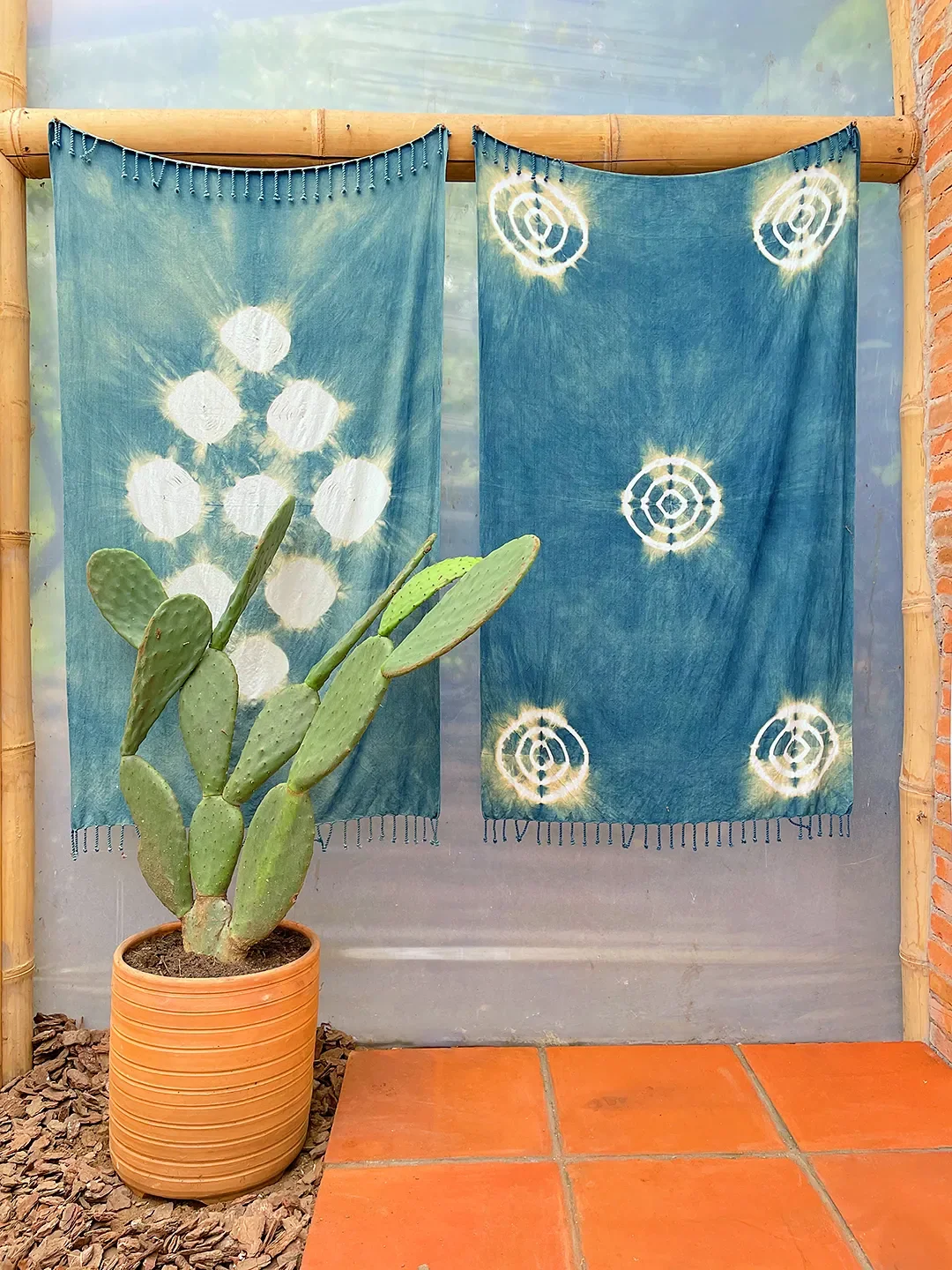
Before you toss your pillowcases in, dampen the fabric slightly with regular water. This is where you can get funky with the design. Use rubber bands, string, or wooden clothespins to fold, twist, tie, and manipulate your fabric to achieve all sorts of effects—main character energy.
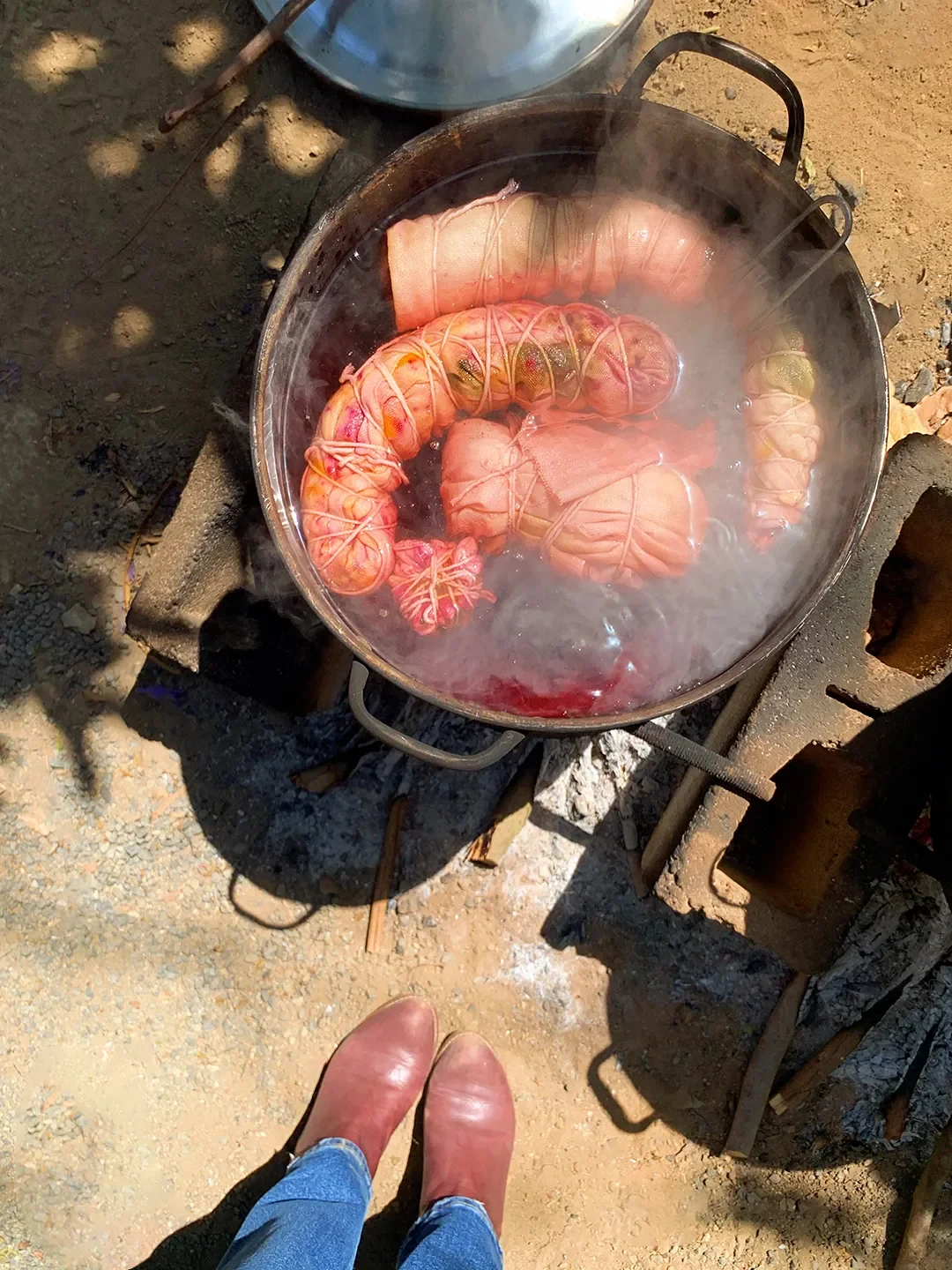
Using the tongs, place the pieces in the pot on the stove and set the heat to medium for 40 minutes to an hour, turning the pillowcases every 15 minutes with the spoon until they turn a gorgeous golden. Then turn off the heat and let the pieces cool in the pot for up to an hour.
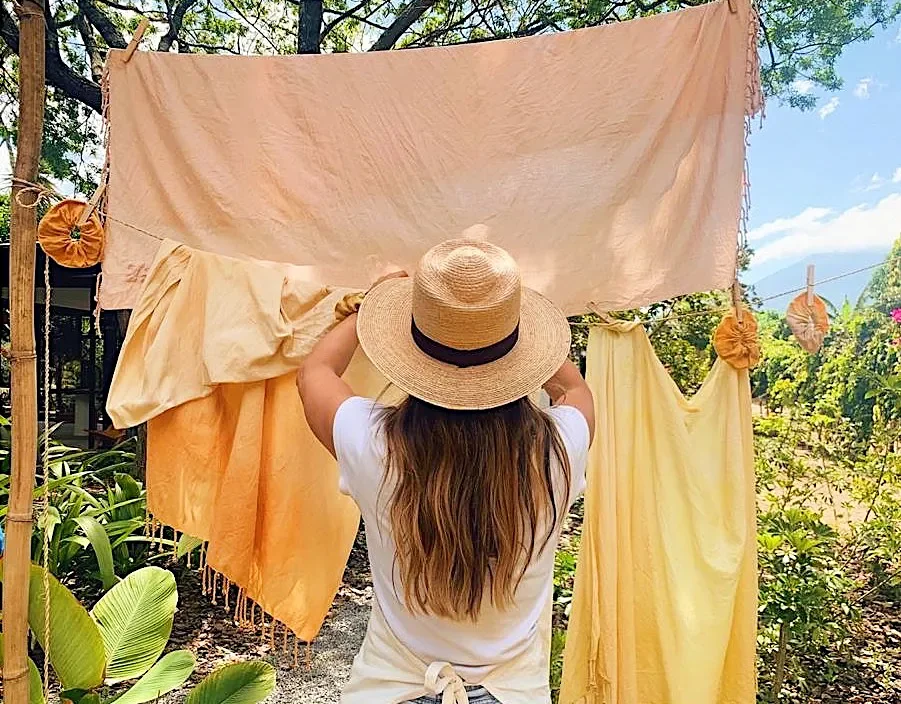
Once cool, remove the pillowcases with the tongs and wash them in a bucket of cold water until the water runs clear. (Do not wash with other clothing or in a washing machine this time!) Air-dry them in a shaded spot, then give them their moment in the sun—chef’s kiss.
Learn more about Domino.comEditorial Standards